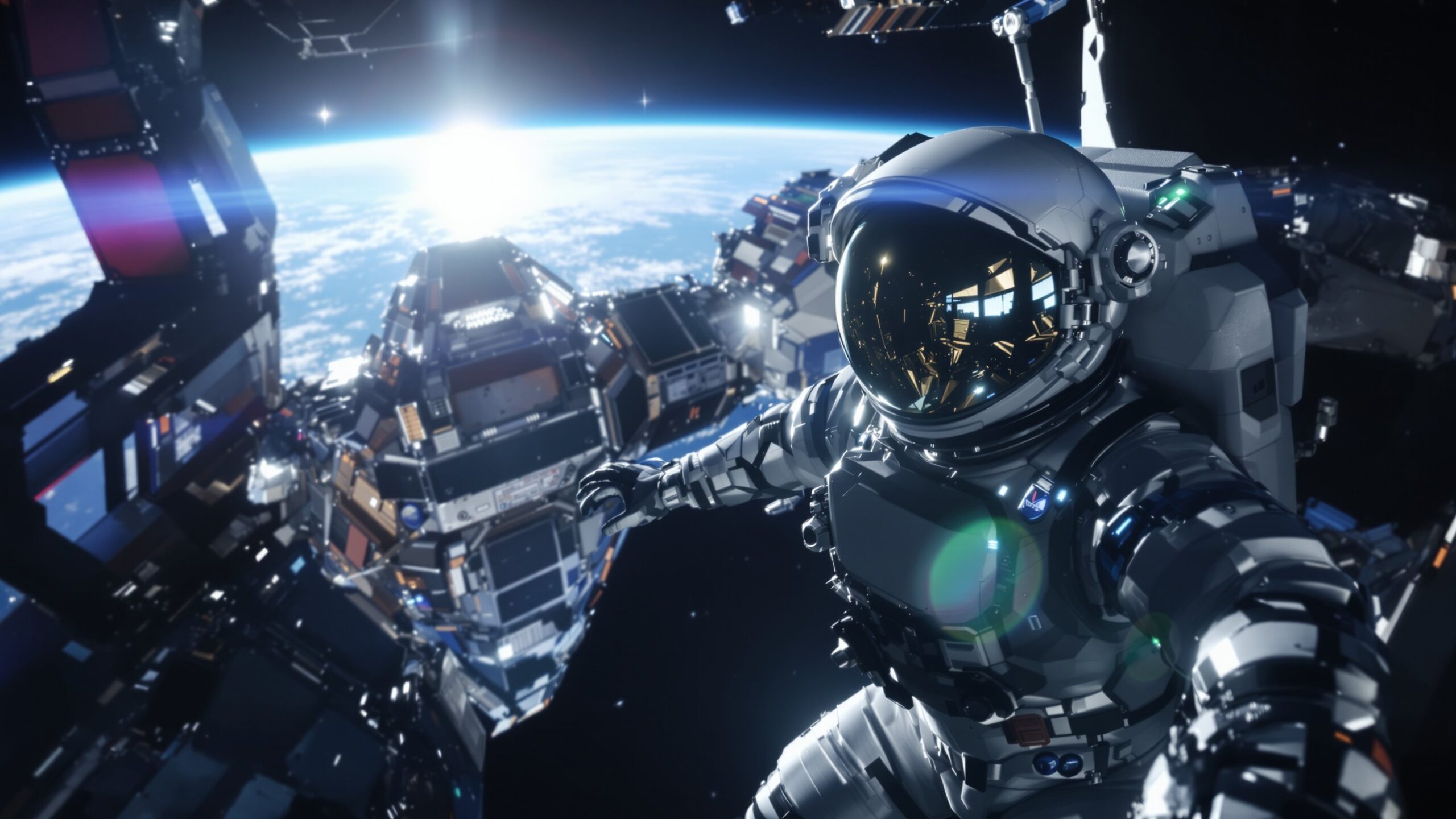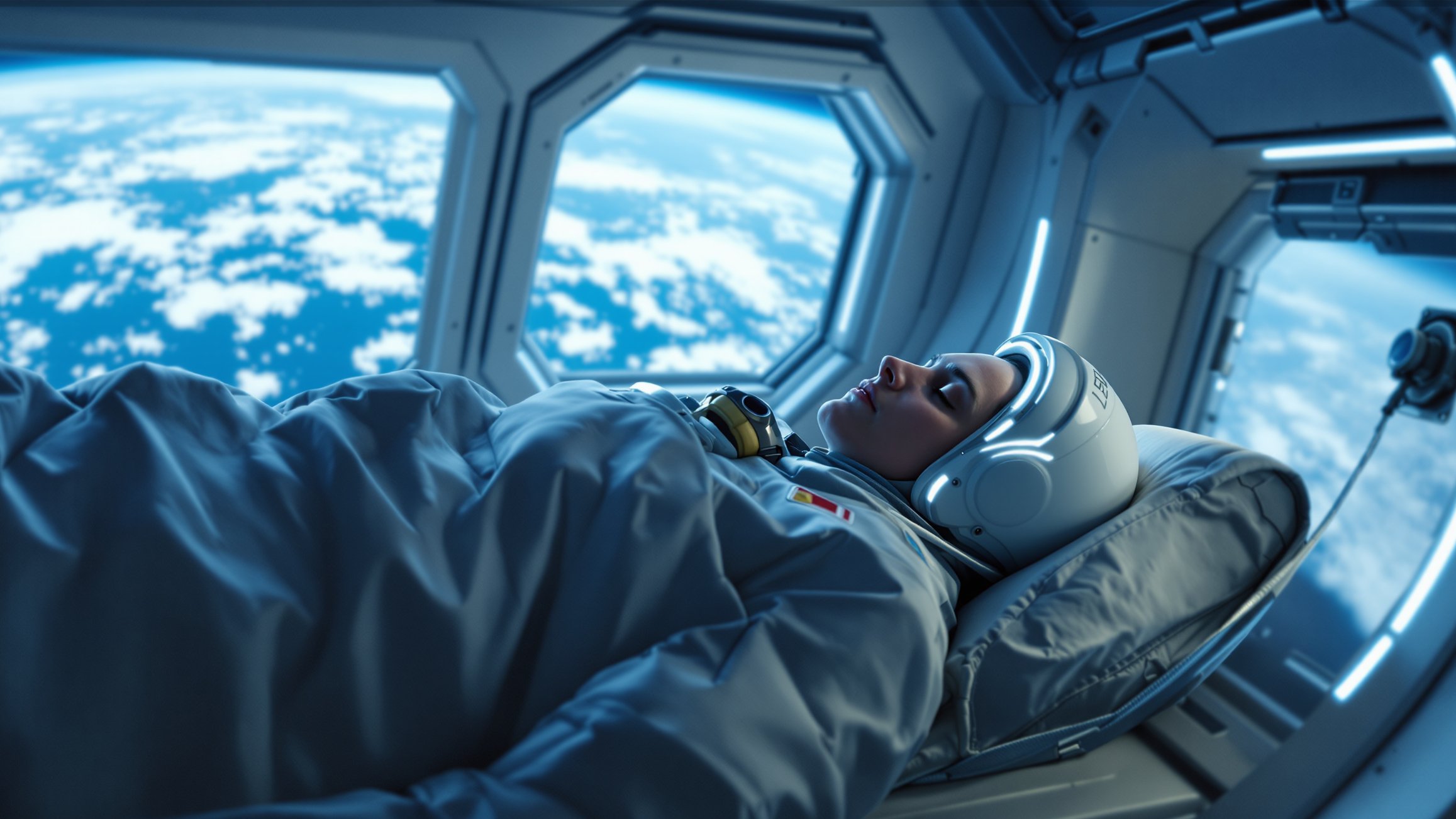
How Do Astronauts Sleep in Space?

What does sleep feel like when there’s no gravity? Step inside the fascinating world of astronauts as they drift through dreams, adapt to microgravity, and redefine rest aboard the International Space Station. From floating sleep pods to 16 sunrises a day, this is sleep like you’ve never imagined.
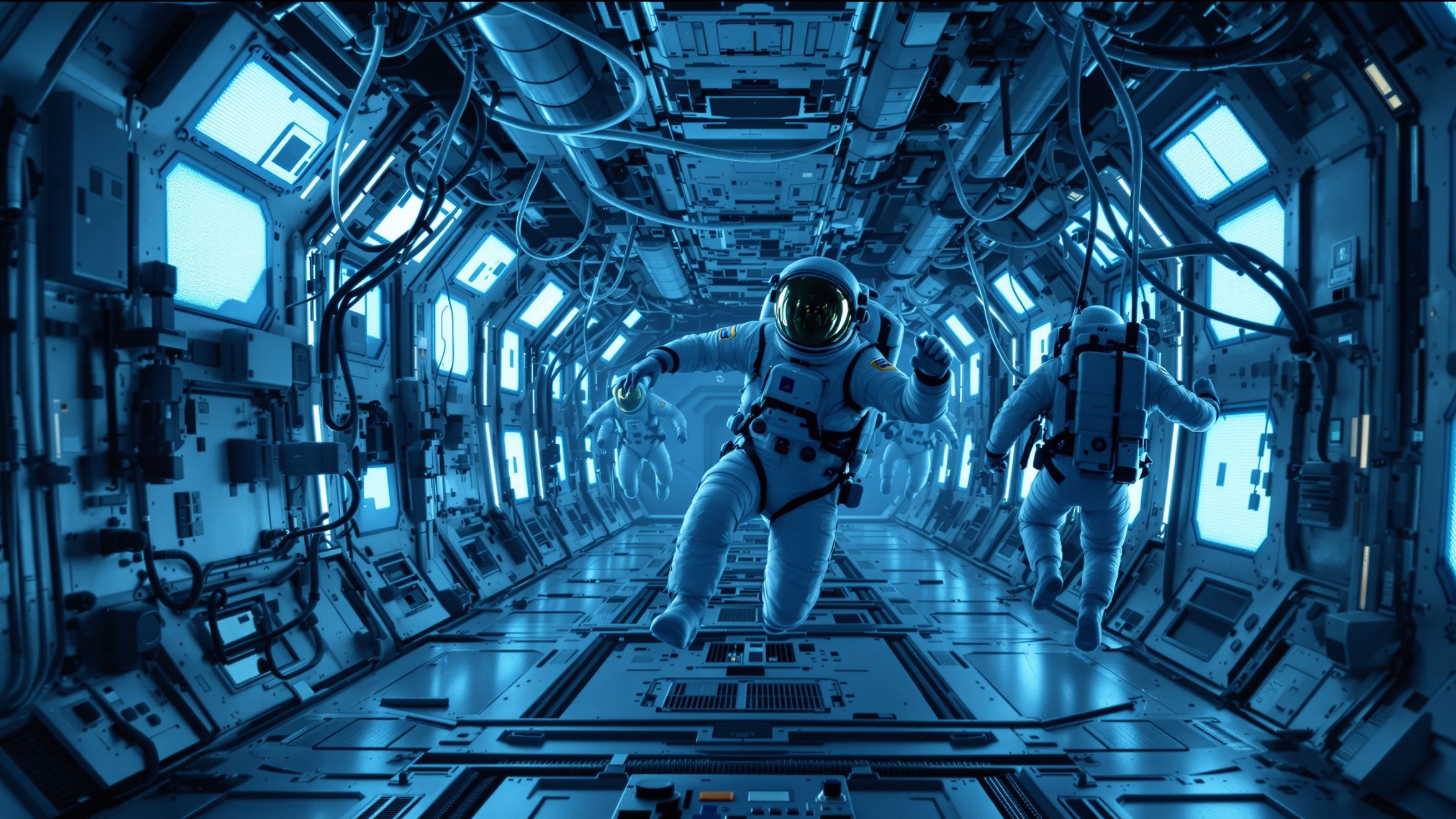
What Is Life Like on the International Space Station?

Floating high above Earth, astronauts aboard the International Space Station live a life unlike any other—where sleep, meals, and even movement defy gravity. From breathtaking views to cutting-edge science, explore how humans adapt, survive, and thrive in one of the most extreme environments ever inhabited.

How to Book a Space Tourism Flight: Step-by-Step Guide

From dream to launchpad, discover exactly how to book your first space tourism flight. This step-by-step guide reveals the process, costs, training, and what it truly takes to leave Earth behind. Whether you crave weightlessness or the ultimate view, your journey to space starts here.

How Much Does Space Tourism Cost in 2026? Full Breakdown

From $125,000 balloon ascents to $55 million orbital missions, space tourism in 2026 is no longer science fiction—it’s a tiered reality. Discover what each experience offers, what you’re truly paying for, and how close humanity is to making space travel accessible beyond the ultra-wealthy.

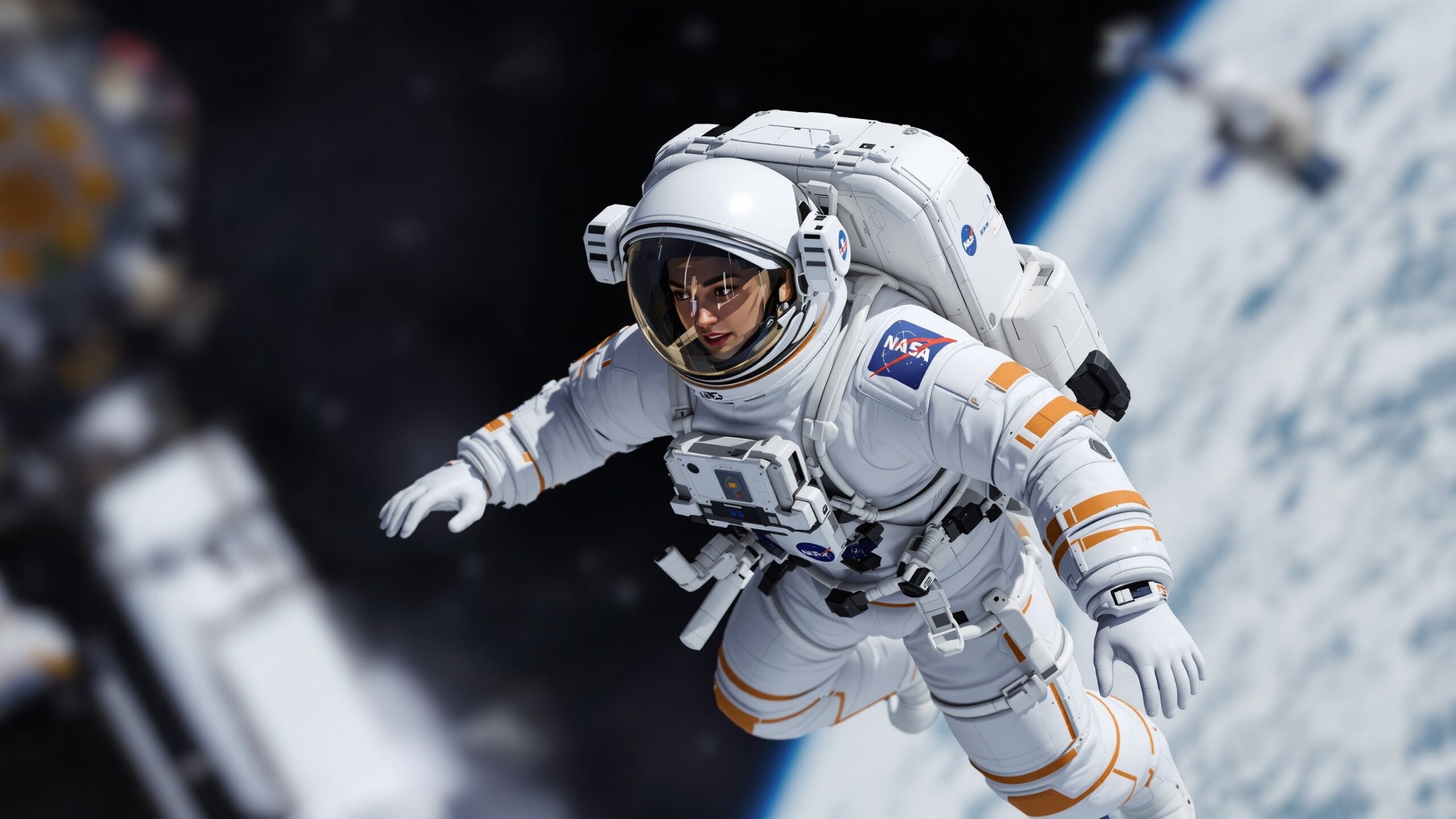
How Do Astronauts Breathe During a Spacewalk?

How do astronauts survive-and breathe-in the deadly vacuum of space? Step inside a spacesuit and explore the remarkable life-support systems that make every breath possible during a spacewalk. From oxygen supply to carbon dioxide removal, uncover the engineering marvels that keep astronauts alive beyond Earth.

What Is a Spacewalk? How Astronauts Perform EVAs Explained

Step outside the spacecraft and into the impossible. This deep dive into spacewalks reveals how astronauts survive the vacuum, move in microgravity, and complete high-stakes missions in orbit. From cutting-edge suits to life-or-death precision, explore the science, skill, and bravery behind every EVA.

How Do Astronaut Space Suits Work? Inside the Technology That Keeps Humans Alive

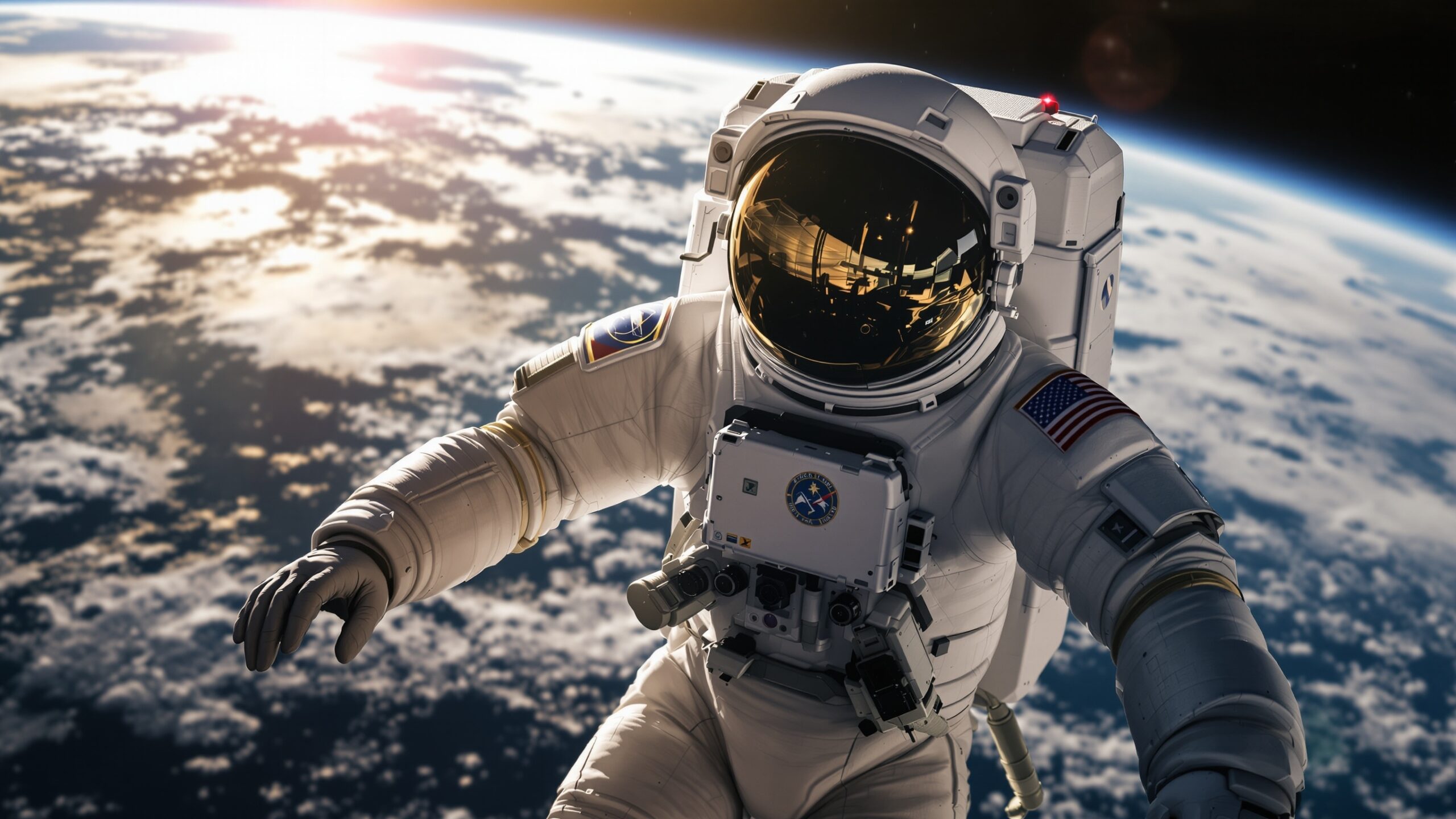
Astronaut space suits are more than protective clothing—they are fully functional life-support systems that allow humans to survive in the vacuum of space. From oxygen supply and temperature regulation to micrometeoroid protection, these extraordinary suits act like personal spacecraft, enabling astronauts to safely explore and work hundreds of miles above Earth.

What Happens If a Space Suit Fails in Space?

A space suit is an astronaut’s personal spacecraft, protecting them from the deadly vacuum of space. But what really happens if that protection fails? From rapid depressurization and oxygen loss to the surprising physics of vacuum exposure, discover the real science behind one of space exploration’s most dangerous scenarios.

How Much Does a NASA Space Suit Cost? The Real Price Explained

A NASA space suit isn’t just clothing—it’s a personal spacecraft built to keep astronauts alive in the vacuum of space. Costing around $12 million each, these extraordinary machines combine life-support systems, thermal protection, and cutting-edge engineering. Explore why space suits are so expensive and how they make human spacewalks possible hundreds of miles above Earth.

How Astronauts Sleep in Zero Gravity

Sleeping in space is nothing like drifting off on Earth. Astronauts float inside secured sleeping bags, adapt to microgravity, and rely on carefully engineered lighting to keep their body clocks on track. Discover how space agencies help astronauts rest comfortably while orbiting Earth at 17,500 miles per hour aboard the International Space Station.

How Astronauts Train for Space: The Complete NASA Preparation Process

Becoming an astronaut requires years of intense preparation, scientific training, and physical endurance. From underwater spacewalk simulations to high-tech mission rehearsals, discover how NASA prepares astronauts for the extreme environment of space and the incredible challenges of living and working beyond Earth.

What Is It Really Like to Live on the International Space Station?

Floating through orbit at 17,500 miles per hour, astronauts aboard the International Space Station live in a world unlike anything on Earth. From sleeping in weightlessness to watching glowing auroras swirl over the planet below, daily life in space blends cutting-edge science, teamwork, and breathtaking views of our fragile blue world.