Space has always captured human imagination, but few activities represent the pinnacle of exploration quite like a spacewalk. Known scientifically as an Extravehicular Activity (EVA), a spacewalk occurs when an astronaut leaves the protective interior of a spacecraft to work directly in the harsh environment of outer space. It is one of the most technically demanding and visually breathtaking tasks in modern spaceflight—combining engineering, physiology, physics, and human courage into a single mission-critical operation. This article explores what spacewalks are, why they are essential, how astronauts prepare for them, and the intricate systems that make them possible. From the early days of space exploration to today’s missions aboard the International Space Station (ISS), EVAs remain central to humanity’s ability to live and work beyond Earth.
Understanding the Basics of a Spacewalk
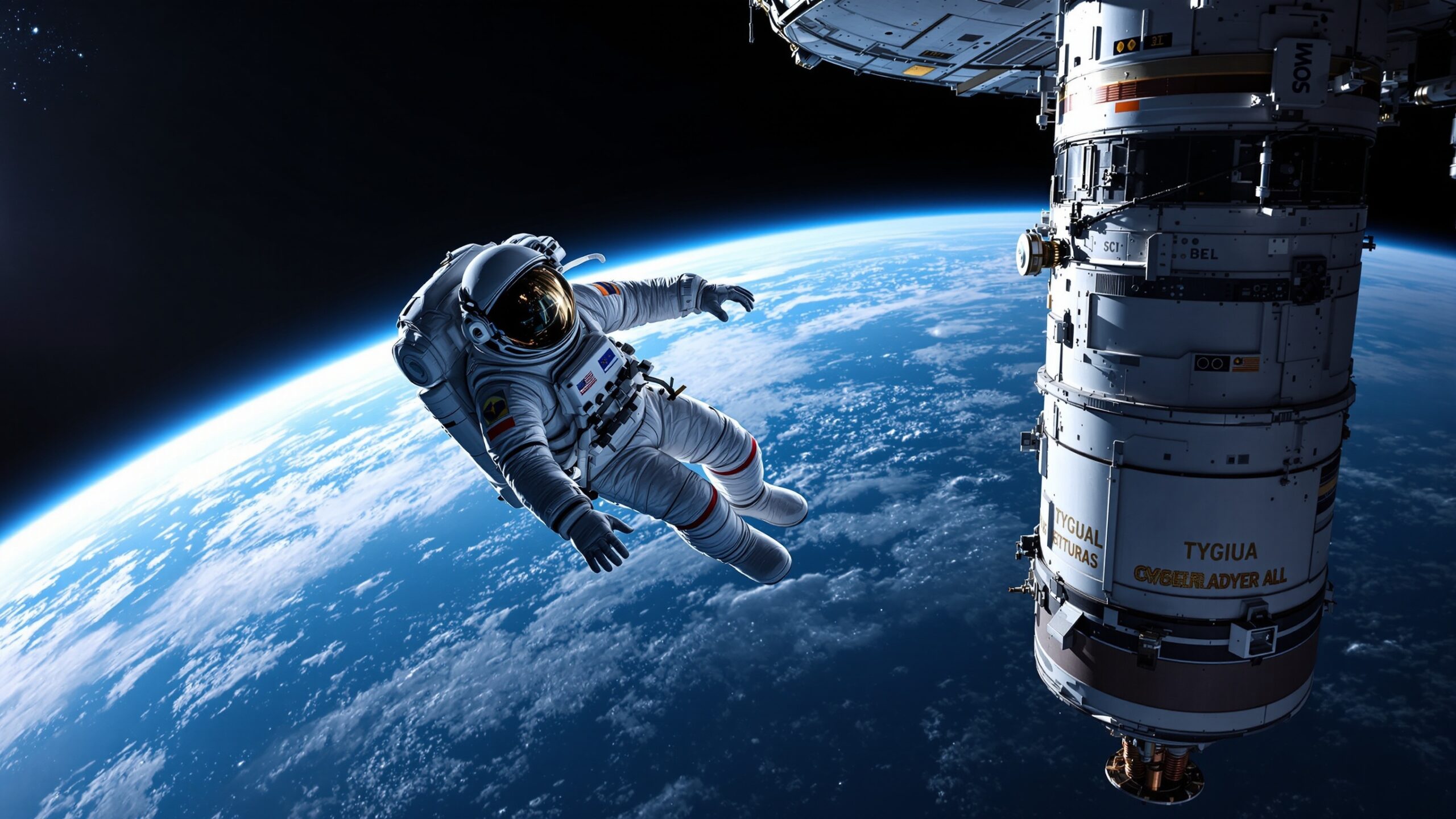
At its core, a spacewalk is any activity conducted by an astronaut outside a spacecraft while in orbit or deep space. The term “extravehicular” literally means “outside the vehicle,” and that is exactly what happens during an EVA. Unlike activities inside a spacecraft—known as Intravehicular Activities (IVAs)—spacewalks expose astronauts to the vacuum of space, extreme temperatures, and radiation.
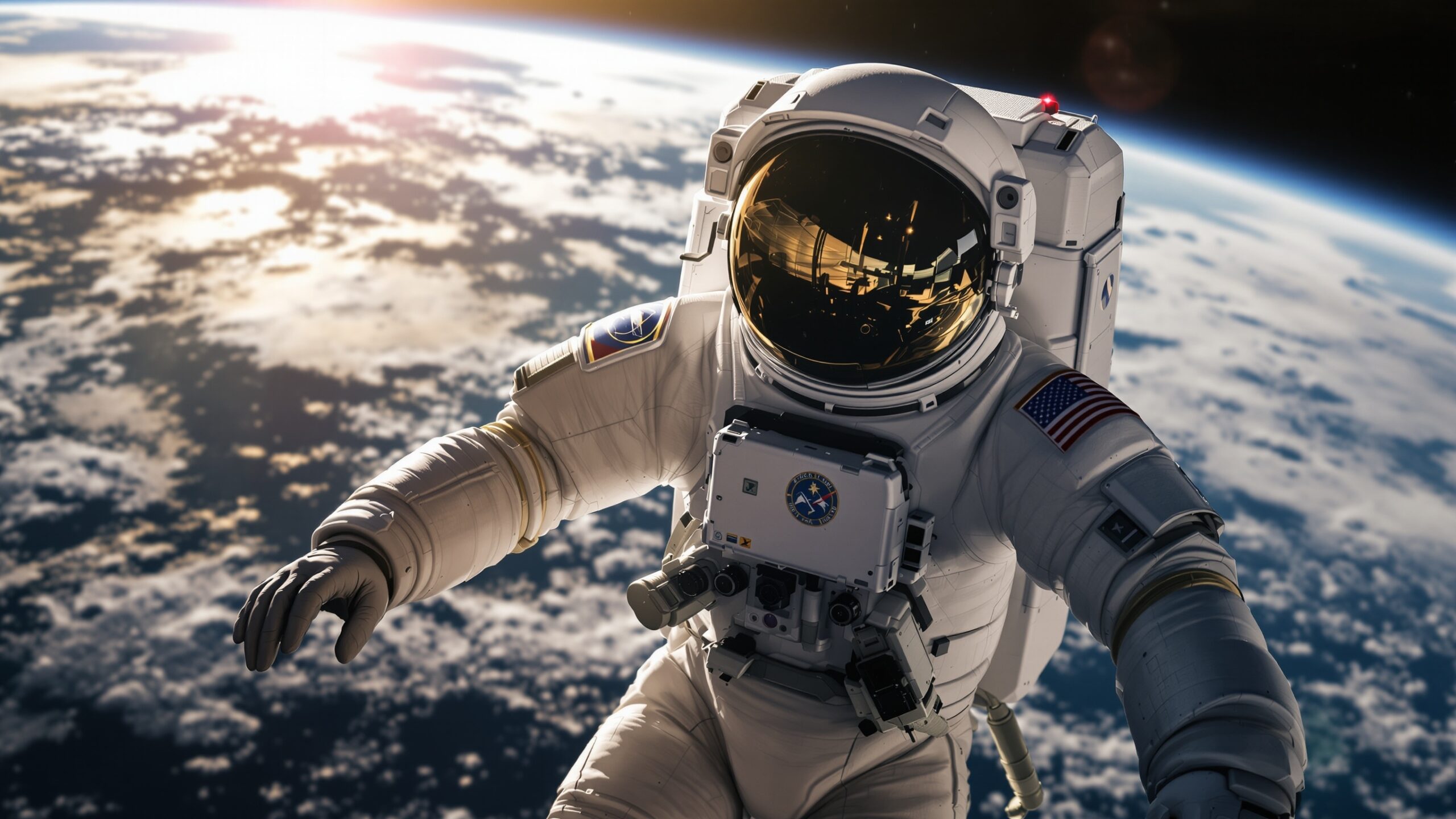
Astronauts performing EVAs are not floating freely in space without protection. They wear highly advanced suits that function as miniature spacecraft, providing oxygen, pressure, temperature regulation, and communication systems. Without these suits, survival in space would be impossible for even a few seconds.
Spacewalks typically occur in low Earth orbit, most commonly outside the International Space Station, but they have also been conducted during missions to repair satellites, such as the famous Hubble Space Telescope servicing missions. In the future, EVAs will play an even larger role as humans return to the Moon and eventually travel to Mars.
Why Spacewalks Are Necessary
Spacewalks are not performed for spectacle—they are essential to the operation and advancement of space missions. Astronauts conduct EVAs for several key reasons, most of which involve maintenance, construction, or scientific work that cannot be completed remotely. One of the most common purposes of a spacewalk is repair and maintenance. Even in space, equipment can wear out, malfunction, or require upgrades. When robotic systems cannot complete the task, astronauts must physically go outside to fix or replace components. This has been critical in extending the lifespan of missions like the Hubble Space Telescope.
Another major purpose is assembly and installation. The International Space Station itself was constructed piece by piece over many years, with astronauts performing dozens of spacewalks to connect modules, install solar panels, and attach critical systems. Without EVAs, building large structures in orbit would be nearly impossible. Spacewalks also enable scientific research and experimentation. Astronauts can install external experiments that study the effects of space exposure on materials, biology, and technology. These experiments help scientists better understand how to design systems for long-duration missions.
Finally, EVAs are used for testing new technologies. Before sending equipment on missions to the Moon or Mars, engineers often rely on astronauts to test prototypes in the real conditions of space.
The Challenges of Working in Space
Performing a spacewalk is far more complex than stepping outside on Earth. Space is an unforgiving environment, and astronauts must overcome several extreme challenges to complete their tasks safely.
One of the most significant challenges is the vacuum of space. Without atmospheric pressure, the human body cannot function normally. Fluids would begin to boil at body temperature, and oxygen would rapidly escape from the bloodstream. The spacesuit must maintain a stable internal pressure to prevent these effects.
Temperature is another major concern. In direct sunlight, temperatures can soar above 250°F (120°C), while in shadow they can drop below -250°F (-160°C). Astronauts must rely on their suits’ thermal control systems to maintain a comfortable and safe temperature.
Microgravity also presents unique difficulties. While astronauts appear to float effortlessly, performing precise tasks in weightlessness requires significant skill. Every movement creates an equal and opposite reaction, meaning even small actions can push an astronaut away from their work area if they are not properly secured.
Radiation exposure is another risk. Outside the protective shielding of Earth’s atmosphere and magnetic field, astronauts are exposed to higher levels of cosmic radiation. While EVA durations are carefully limited to reduce risk, it remains a concern for long-term missions.
The Spacesuit: A Personal Spacecraft
The spacesuit is perhaps the most critical piece of equipment for any spacewalk. Officially known as the Extravehicular Mobility Unit (EMU), the suit is far more than just clothing—it is a fully integrated life-support system.
The EMU provides breathable oxygen, removes carbon dioxide, regulates temperature, and protects against micrometeoroids. It also includes a communications system that allows astronauts to stay in constant contact with mission control and their fellow crew members.
Inside the suit, astronauts wear a liquid cooling garment lined with small tubes that circulate water to remove excess heat. This prevents overheating during physically demanding tasks. The suit also includes multiple layers of insulation and protection, designed to withstand extreme conditions.
Mobility is another key feature. Although the suit appears bulky, it is carefully engineered to allow astronauts to bend their arms, move their hands, and operate tools. Gloves are particularly important, as they must balance dexterity with protection.
Attached to the suit is a backpack called the Primary Life Support System (PLSS). This unit contains oxygen tanks, power supplies, and systems for removing carbon dioxide and moisture. It essentially acts as a portable life-support system, enabling astronauts to work outside for several hours at a time.
Preparing for a Spacewalk
Spacewalks require extensive preparation, often beginning months or even years before the actual mission. Astronauts undergo rigorous training to ensure they can perform their tasks efficiently and safely. One of the most important training methods involves neutral buoyancy. Astronauts practice in massive underwater facilities, such as NASA’s Neutral Buoyancy Laboratory, where they wear spacesuits and simulate spacewalk conditions. The buoyancy of water helps mimic the feeling of weightlessness, allowing astronauts to rehearse procedures in a controlled environment.
In addition to physical training, astronauts must learn detailed procedures for each EVA. Every movement, tool usage, and contingency plan is carefully planned and practiced. Spacewalk timelines are meticulously choreographed, with each step assigned a specific duration. Before the spacewalk begins, astronauts undergo a process called pre-breathing. This involves breathing pure oxygen for a period of time to remove nitrogen from their bodies. This step is essential to prevent decompression sickness, also known as “the bends,” which can occur when transitioning from the higher pressure inside the spacecraft to the lower pressure inside the spacesuit.
The Airlock: Gateway to Space
The transition from the spacecraft to the vacuum of space takes place through an airlock, a specialized chamber designed to safely equalize pressure.
The airlock process begins with astronauts entering the chamber and sealing the inner hatch. The pressure inside the airlock is then gradually reduced to match the pressure of the spacesuit. Once the pressure is sufficiently low, the outer hatch can be opened, allowing astronauts to exit into space.
This process is reversed when astronauts return. The airlock is repressurized, allowing them to safely remove their suits and re-enter the spacecraft environment. The airlock serves as a critical safety barrier, ensuring that the spacecraft’s internal atmosphere is not lost during the EVA.
Conducting the Spacewalk
Once outside, astronauts begin their assigned tasks, which can range from installing equipment to repairing critical systems. Each astronaut is tethered to the spacecraft using safety lines, ensuring they cannot drift away. In addition to tethers, astronauts often use handrails and foot restraints to stabilize themselves while working. Tools are specially designed for use in space, with features that prevent them from floating away.
Communication is constant throughout the EVA. Astronauts remain in contact with mission control and each other, providing updates and receiving instructions. Ground teams monitor progress closely and can adjust the plan if needed.
Most spacewalks last between 5 and 8 hours, depending on the complexity of the tasks and the available life-support resources. Despite the duration, astronauts must remain highly focused, as even small mistakes can have serious consequences.
Safety Measures and Backup Systems
Safety is the highest priority during any spacewalk, and multiple layers of redundancy are built into every aspect of the operation.
Spacesuits are equipped with backup oxygen supplies in case the primary system fails. Astronauts also carry a device called the Simplified Aid for EVA Rescue (SAFER), a small jetpack that allows them to maneuver back to the spacecraft if they become untethered.
Mission control continuously monitors the health and status of each astronaut, tracking vital signs and suit performance. If any issue arises, the EVA can be terminated early, and astronauts can return to the airlock. Strict procedures and checklists guide every step of the process, minimizing the risk of errors. While spacewalks are inherently dangerous, decades of experience and technological advancements have made them increasingly safe.
Historic Spacewalks and Milestones
The history of spacewalks is filled with remarkable achievements that have pushed the boundaries of human capability. The first-ever spacewalk was conducted in 1965 by Soviet cosmonaut Alexei Leonov. His EVA lasted just 12 minutes but nearly ended in disaster when his suit inflated, making it difficult to re-enter the spacecraft. His experience highlighted the challenges and risks of working in space.
Since then, hundreds of spacewalks have been performed by astronauts from various countries. Notable milestones include the assembly of the International Space Station and the servicing missions to the Hubble Space Telescope, which significantly extended its operational life. In recent years, spacewalks have also played a role in advancing diversity and inclusion in space exploration. All-female spacewalks and international collaborations have demonstrated the global nature of modern space missions.
The Future of Spacewalks
As humanity prepares for new missions beyond low Earth orbit, spacewalks will become even more important. Programs like NASA’s Artemis mission aim to return humans to the Moon, where astronauts will perform EVAs on the lunar surface.
Future spacewalks may involve new types of suits designed for different environments, including planetary surfaces with gravity, dust, and other unique challenges. Engineers are developing next-generation suits that offer greater mobility, durability, and adaptability.
On missions to Mars, EVAs will be essential for exploration, construction, and scientific research. Astronauts will need to perform complex tasks in unfamiliar environments, relying on advanced technology and extensive training. Private companies are also entering the space exploration arena, with commercial spacewalks becoming a possibility. As access to space expands, EVAs may become more common, opening new opportunities for research and innovation.
Conclusion
A spacewalk, or Extravehicular Activity (EVA), represents one of the most extraordinary achievements in human exploration. It combines cutting-edge technology, rigorous training, and human ingenuity to enable astronauts to work in the most extreme environment imaginable.
From repairing satellites to building space stations and preparing for missions to the Moon and Mars, spacewalks are essential to the future of space exploration. They are not just technical operations—they are a testament to humanity’s determination to push beyond the boundaries of our planet. As technology continues to evolve, spacewalks will remain at the forefront of discovery, allowing us to explore, build, and thrive in the vast expanse of space.