

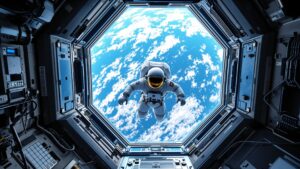
What Is It Really Like to Live on the International Space Station?
Floating through orbit at 17,500 miles per hour, astronauts aboard the International Space Station live in a world unlike anything on Earth. From sleeping in weightlessness to watching glowing auroras swirl over the planet below, daily life in space blends cutting-edge science, teamwork, and breathtaking views of our fragile blue world.
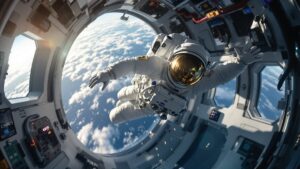
How Astronauts Train for Space: The Complete NASA Preparation Process
Becoming an astronaut requires years of intense preparation, scientific training, and physical endurance. From underwater spacewalk simulations to high-tech mission rehearsals, discover how NASA prepares astronauts for the extreme environment of space and the incredible challenges of living and working beyond Earth.
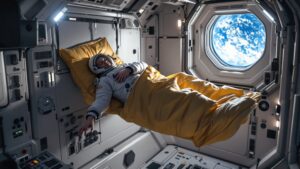
How Astronauts Sleep in Zero Gravity
Sleeping in space is nothing like drifting off on Earth. Astronauts float inside secured sleeping bags, adapt to microgravity, and rely on carefully engineered lighting to keep their body clocks on track. Discover how space agencies help astronauts rest comfortably while orbiting Earth at 17,500 miles per hour aboard the International Space Station.