

Telescopes & Gear is the gateway between curiosity and the cosmos. On Lyra Street, this space is dedicated to the tools that transform distant points of light into planets with rings, craters etched in shadow, and galaxies swirling millions of light-years away. Whether you’re a first-time stargazer setting up your very first telescope or an experienced observer fine-tuning a serious astrophotography rig, the right equipment changes everything. Here you’ll explore the full spectrum of stargazing essentials—from beginner-friendly refractors and powerful Dobsonians to precision mounts, eyepieces, filters, cameras, and smart accessories that elevate every observing session. We break down how each piece of gear works, why it matters, and how to choose equipment that matches your sky conditions, goals, and experience level. Telescopes & Gear isn’t just about hardware; it’s about confidence under the night sky. This collection of articles helps you see more clearly, observe longer, and connect more deeply with the universe—turning every clear night into an invitation to explore.
A: Aperture—more light usually beats more magnification.
A: No—manual star-hopping can be faster once you learn the sky.
A: A small refractor or tabletop Dob—grab-and-go and forgiving.
A: Atmospheric “seeing,” scope cooldown, and collimation are common culprits.
A: Not at first—start with a small set covering low/medium/high power.
A: Often no—moderate power can improve contrast and keep them brighter.
A: A comfortable chair—steady observers see more detail.
A: Sort of, but mounts matter most—tracking stability is everything.
A: Narrowband filters (for nebulae), darker sites, and good target selection.
A: Use a dew shield and add heaters if you observe in humid/cold nights.
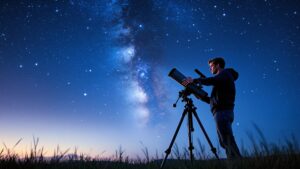
Best Telescopes for Beginners in 2026 (Easy Setup & Clear Views)
Step into the universe with confidence. This beginner-friendly guide reveals the best telescopes of 2026, helping you unlock stunning views of the Moon, planets, and beyond—without the overwhelm. Whether you want simplicity or smart tech, your perfect first telescope is waiting.

Telescope Buying Guide: How to Choose the Right Telescope for You
Ready to explore the universe? This telescope buying guide breaks down everything you need to know—from aperture and optics to portability and performance—so you can confidently choose the perfect telescope and start discovering the night sky like never before.