

Space Tourism is no longer a distant sci-fi dream—it’s an emerging frontier where curiosity, technology, and human ambition collide. Once reserved for elite astronauts and government missions, space is opening its doors to private travelers eager to experience Earth from above, float in microgravity, and witness the vastness of the cosmos firsthand. From suborbital joyrides that skim the edge of space to orbital stays aboard futuristic space stations, space tourism is reshaping how humanity connects with the universe. On Lyra Street, this category explores the business, science, and imagination behind civilian space travel. You’ll discover how private space companies are designing spacecraft for comfort and safety, what it takes to train as a space tourist, and how short spaceflights compare to longer orbital journeys. We also dive into the ethical questions, environmental impacts, and long-term visions shaping this rapidly evolving industry. Whether you’re fascinated by zero-gravity experiences, panoramic views of Earth, or the idea of space hotels and lunar flybys, Space Tourism offers a front-row seat to humanity’s next great adventure—where exploration becomes personal, and the stars feel closer than ever.
A: No—space tourism is designed for civilians with training and screening.
A: Suborbital flights offer brief microgravity; orbital stays provide long-duration microgravity.
A: Risk exists; providers use testing, redundancy, and procedures to reduce it—but it’s still high-consequence travel.
A: Safety drills, seat/strap practice, G-force familiarization, and emergency procedures.
A: Usually very little—approved soft items only, with strict rules on loose objects.
A: Depends on provider age limits, medical guidelines, and regulatory requirements.
A: Some people feel it; training, pacing, and approved medications can help.
A: Only if permitted and secured; many flights use approved/tethered devices.
A: Normally—air behaves differently, but cabins are pressurized and ventilated.
A: The “overview effect” feeling—Earth looks fragile, bright, and unbelievably close.
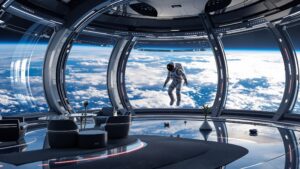
How Much Does Space Tourism Cost in 2026? Full Breakdown
From $125,000 balloon ascents to $55 million orbital missions, space tourism in 2026 is no longer science fiction—it’s a tiered reality. Discover what each experience offers, what you’re truly paying for, and how close humanity is to making space travel accessible beyond the ultra-wealthy.
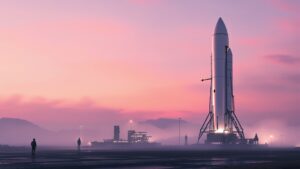
How to Book a Space Tourism Flight: Step-by-Step Guide
From dream to launchpad, discover exactly how to book your first space tourism flight. This step-by-step guide reveals the process, costs, training, and what it truly takes to leave Earth behind. Whether you crave weightlessness or the ultimate view, your journey to space starts here.