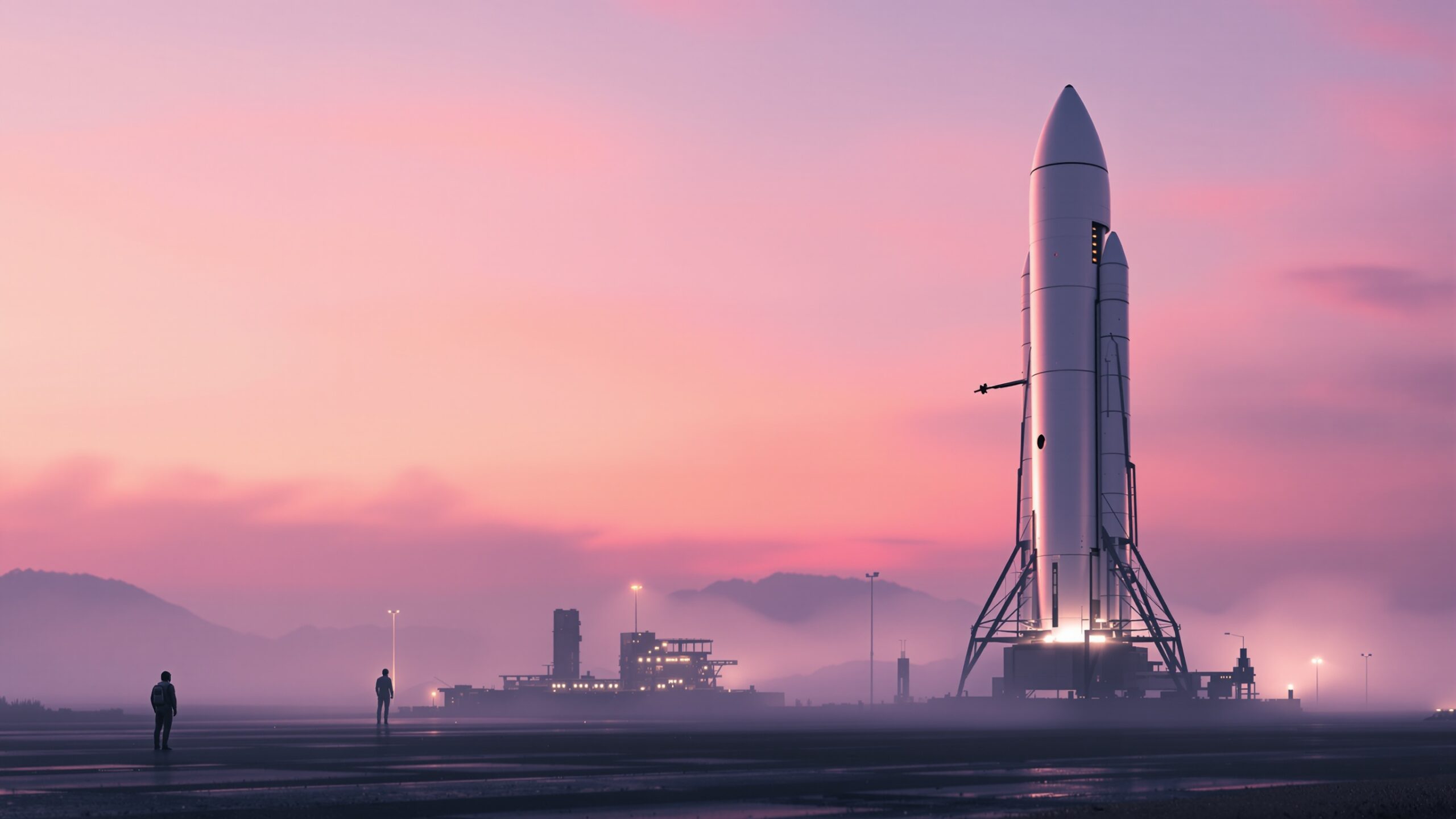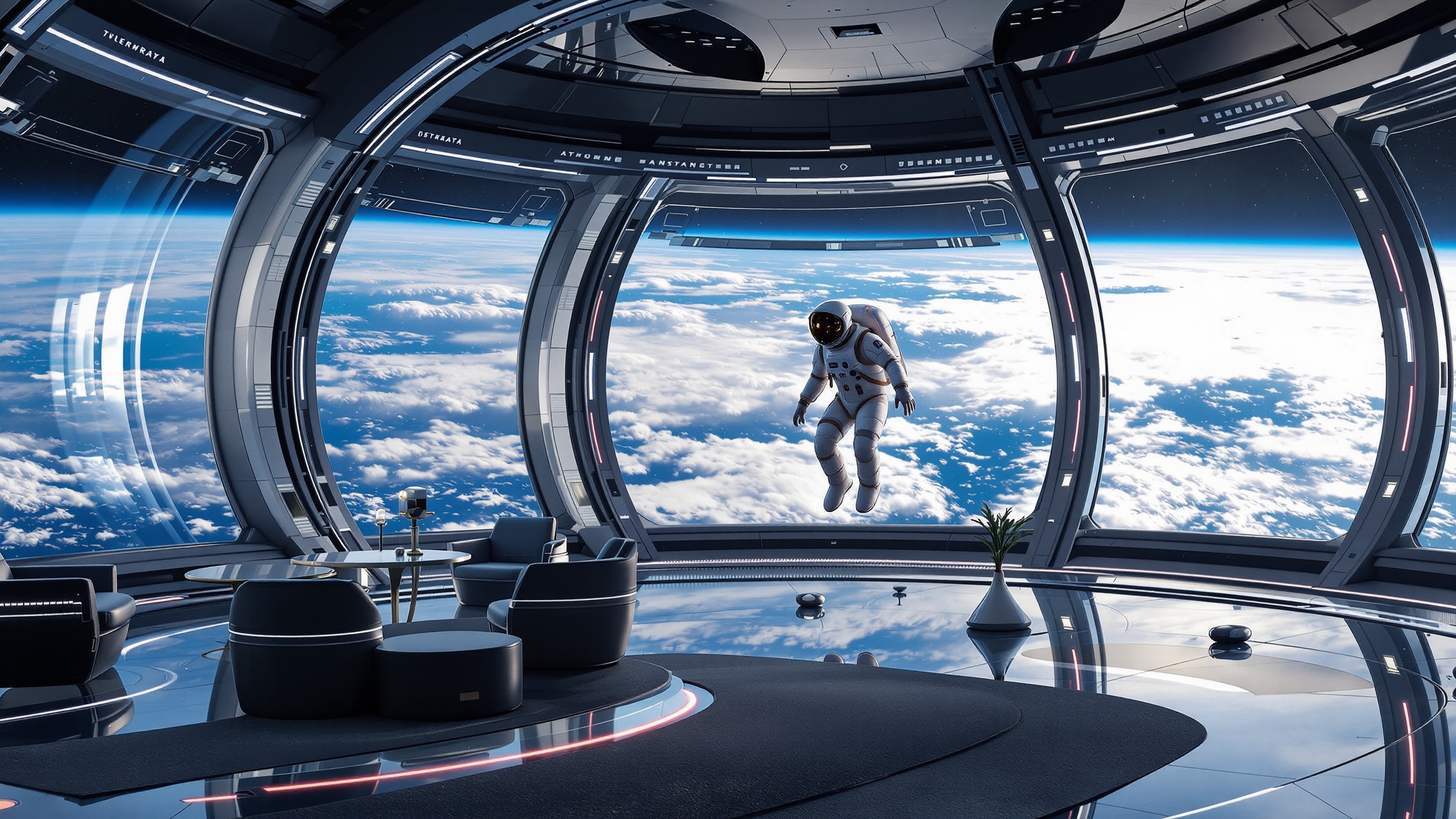
Space tourism—scientifically rooted in human spaceflight (Homo sapiens in microgravity environments)—has transformed from speculative science fiction into a rapidly emerging commercial industry. In 2026, private citizens can now travel beyond Earth’s atmosphere through a range of experiences, from gentle stratospheric balloon rides to full orbital missions lasting over a week. However, the cost remains one of the most defining barriers. Prices vary dramatically depending on altitude, duration, spacecraft technology, and mission complexity, ranging from around $125,000 to over $55 million per seat. This article provides a comprehensive, user-friendly breakdown of space tourism costs in 2026, explaining what you actually get for your money, how pricing tiers differ, and where the industry is heading next.
The Big Picture: Why Space Tourism Is So Expensive
Space tourism is expensive because it combines some of the most advanced engineering ever created with extremely limited supply. Rockets must overcome Earth’s gravity well, requiring enormous amounts of energy, fuel, and precision. Safety systems, astronaut training, insurance, and regulatory compliance add additional layers of cost.
Unlike commercial aviation—which spreads costs across hundreds of passengers per flight—space missions often carry only a handful of individuals. This exclusivity, combined with cutting-edge technology and low flight frequency, drives prices into the hundreds of thousands or millions.
In 2026, pricing broadly falls into three categories: suborbital flights, high-altitude balloon experiences, and orbital missions. Each offers a vastly different experience, and understanding these differences is key to understanding the cost.
Suborbital Spaceflights: $200,000 to $1 Million+
Suborbital flights are currently the most accessible form of space tourism. These missions cross the boundary of space—typically the Kármán line at 100 kilometers—but do not orbit Earth. Instead, passengers experience a brief arc trajectory before returning.
In 2026, the price range for suborbital flights typically falls between $200,000 and over $1 million per seat.
Companies like Blue Origin and Virgin Galactic dominate this category, offering slightly different experiences. Blue Origin’s vertical-launch New Shepard rocket provides about 10 to 11 minutes of flight time, including a few minutes of weightlessness and panoramic views of Earth. Ticket estimates generally fall between $200,000 and $300,000, though some seats have sold for significantly higher prices depending on demand.
Virgin Galactic offers a different approach with its air-launched spaceplane. Flights last longer—around 90 minutes total—with several minutes of microgravity. Prices have steadily increased over time, reaching around $600,000 or more per seat, with some reports in 2026 placing tickets as high as $750,000.
The experience includes pre-flight training, custom flight suits, and astronaut certification, making it feel more immersive than simply “taking a ride.” However, the actual time spent in weightlessness remains relatively short, typically just four to six minutes.
High-Altitude Balloon Flights: $125,000 and Up
For those seeking a gentler and more accessible entry into near-space travel, high-altitude balloon experiences have emerged as a compelling alternative. These journeys do not technically reach space, but they ascend to altitudes of around 30 kilometers, where passengers can clearly see the curvature of Earth against the blackness of the upper atmosphere.
In 2026, these experiences are priced around $125,000, making them the most affordable option in the space tourism spectrum.
Unlike rocket launches, balloon flights are slow and serene, lasting several hours rather than minutes. Passengers remain in pressurized capsules with large panoramic windows, often enjoying a luxury experience comparable to high-end travel. There is no intense G-force or weightlessness, but the visual experience is still extraordinary.
This category is expected to grow rapidly because it lowers the psychological and financial barriers to entry while still delivering a profound “overview effect”—the emotional realization of Earth’s fragility and beauty from above.
Orbital Space Tourism: $50 Million to $55 Million+
At the highest end of the market lies orbital space tourism, where passengers don’t just visit space—they live in it, even if only briefly. These missions involve traveling at speeds exceeding 28,000 kilometers per hour to maintain orbit around Earth.
In 2026, the cost of an orbital seat—typically arranged through private missions to the International Space Station—sits around $55 million per person.
Companies like SpaceX, working with organizations such as Axiom Space, provide these experiences. Passengers can spend anywhere from several days to two weeks in orbit, conducting experiments, floating in microgravity, and viewing Earth continuously from space.
This level of travel represents a completely different category compared to suborbital flights. It requires extensive training, medical evaluations, and mission preparation. Participants essentially become private astronauts, participating in real space missions rather than brief excursions.
While the price is currently accessible only to ultra-high-net-worth individuals, it reflects the true cost of sustained human spaceflight.
What You’re Really Paying For
The price of space tourism isn’t just about the ride—it encompasses a wide range of services and infrastructure. Training programs alone can cost tens or even hundreds of thousands of dollars, especially for orbital missions.
Passengers undergo physical conditioning, emergency preparedness training, and simulations to prepare for launch and microgravity. Safety systems, redundant engineering, and mission support teams all contribute to the overall cost.
Insurance is another significant factor. Policies for space travel can add anywhere from 5% to 10% of the ticket price, reflecting the inherent risks involved.
Additionally, the cost includes access to highly exclusive facilities, personalized experiences, and often luxury-level accommodations before and after the flight.
Why Prices Vary So Much
One of the most striking aspects of space tourism in 2026 is the enormous variation in pricing. A $125,000 balloon ride and a $55 million orbital mission might both be marketed as “space tourism,” but they are fundamentally different experiences.
The key factors driving price differences include altitude, duration, and complexity. Suborbital flights are relatively short and require less energy than orbital missions, making them significantly cheaper. Orbital missions, by contrast, demand advanced propulsion systems, life support, and precise navigation.
Flight frequency also plays a role. Limited availability drives up prices, as demand far exceeds supply. As more companies enter the market and launch cadence increases, prices may begin to stabilize or even decline.
The Rise of Space Hotels and Future Costs
Looking beyond 2026, the next frontier of space tourism is not just visiting space, but staying there. Companies are already developing commercial space stations and “space hotels” designed specifically for private travelers. Projects like Haven-1 and other planned orbital habitats aim to create a new category of space tourism that blends hospitality with space exploration.
While pricing for these experiences has not been fully established, early estimates suggest they will initially fall within the tens of millions of dollars, similar to current orbital missions. Over time, however, increased competition and technological innovation could significantly reduce costs.
Will Space Tourism Ever Become Affordable?
A key question surrounding space tourism is whether it will ever become accessible to the average person. Historical trends in aviation suggest that costs can drop dramatically over time as technology improves and scale increases.
Some projections indicate that suborbital flights could eventually fall to around $200,000 or less, with long-term goals aiming even lower.
Reusable rockets, larger passenger capacities, and more efficient launch systems are expected to drive these changes. Companies like SpaceX are already exploring next-generation vehicles that could reduce orbital costs to a few million dollars per seat, with even more ambitious long-term targets.
However, even with these advancements, space tourism is likely to remain a premium experience for the foreseeable future.
The Experience vs. The Price
Despite the staggering costs, demand for space tourism continues to grow. For many travelers, the appeal lies not just in the novelty, but in the transformative nature of the experience.
Seeing Earth from space, floating in microgravity, and participating in human spaceflight represents something far beyond traditional travel. It is often described as life-changing, offering a new perspective on humanity’s place in the universe.
For some, the price is justified by the uniqueness of the experience. For others, it remains a distant dream—one that may become more attainable as the industry evolves.
The Cost of Leaving Earth
In 2026, space tourism has officially arrived—but at a price that reflects its extraordinary nature. From $125,000 balloon ascents to $55 million orbital missions, the cost spectrum mirrors the diversity of experiences now available. The industry is still in its early stages, shaped by innovation, competition, and the relentless pursuit of making space more accessible. While prices remain high, the trajectory is clear: space travel is slowly transitioning from an elite privilege to a broader, more scalable form of exploration. For now, the question isn’t just how much space tourism costs—but how much the experience of leaving Earth is worth.