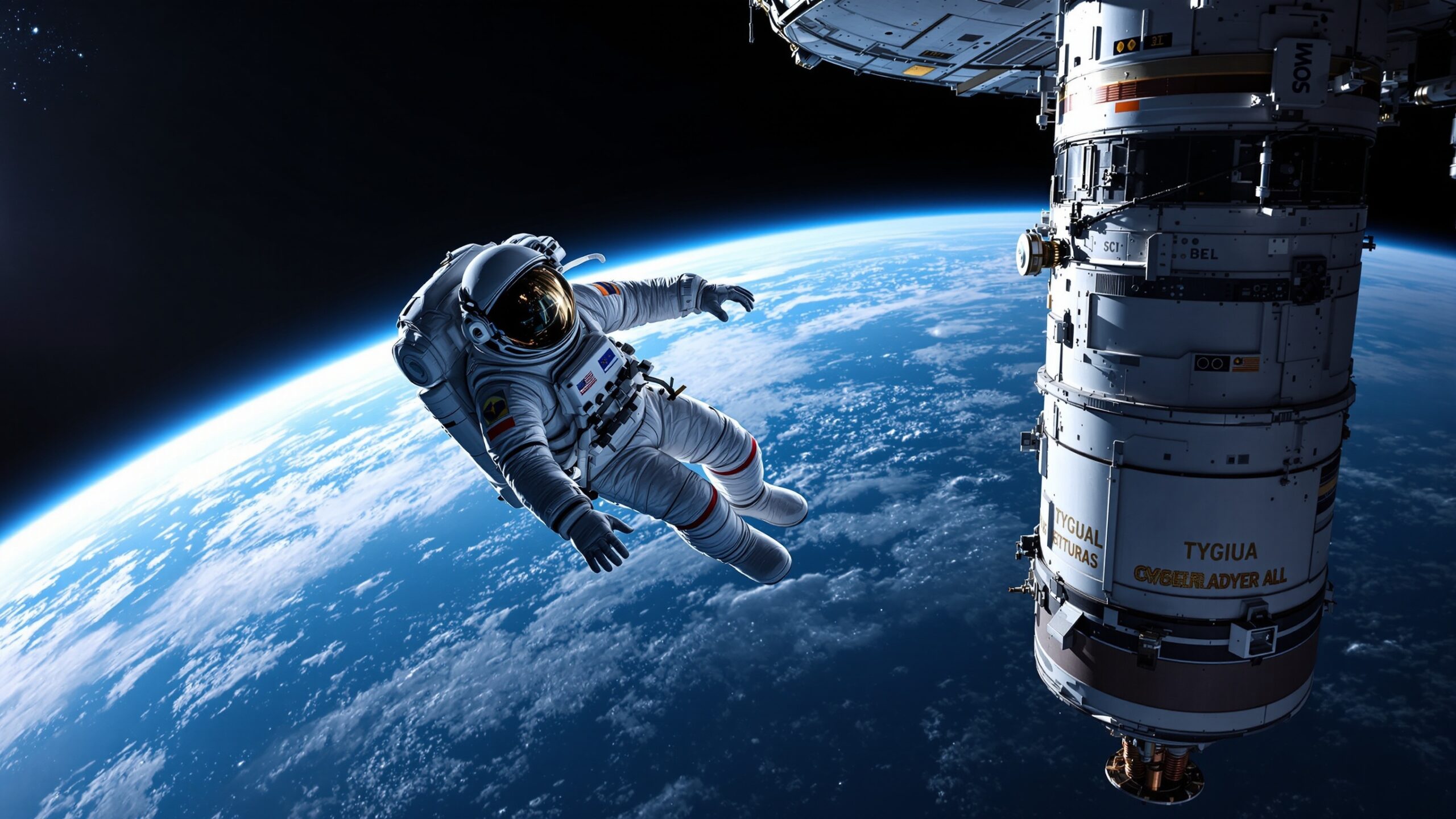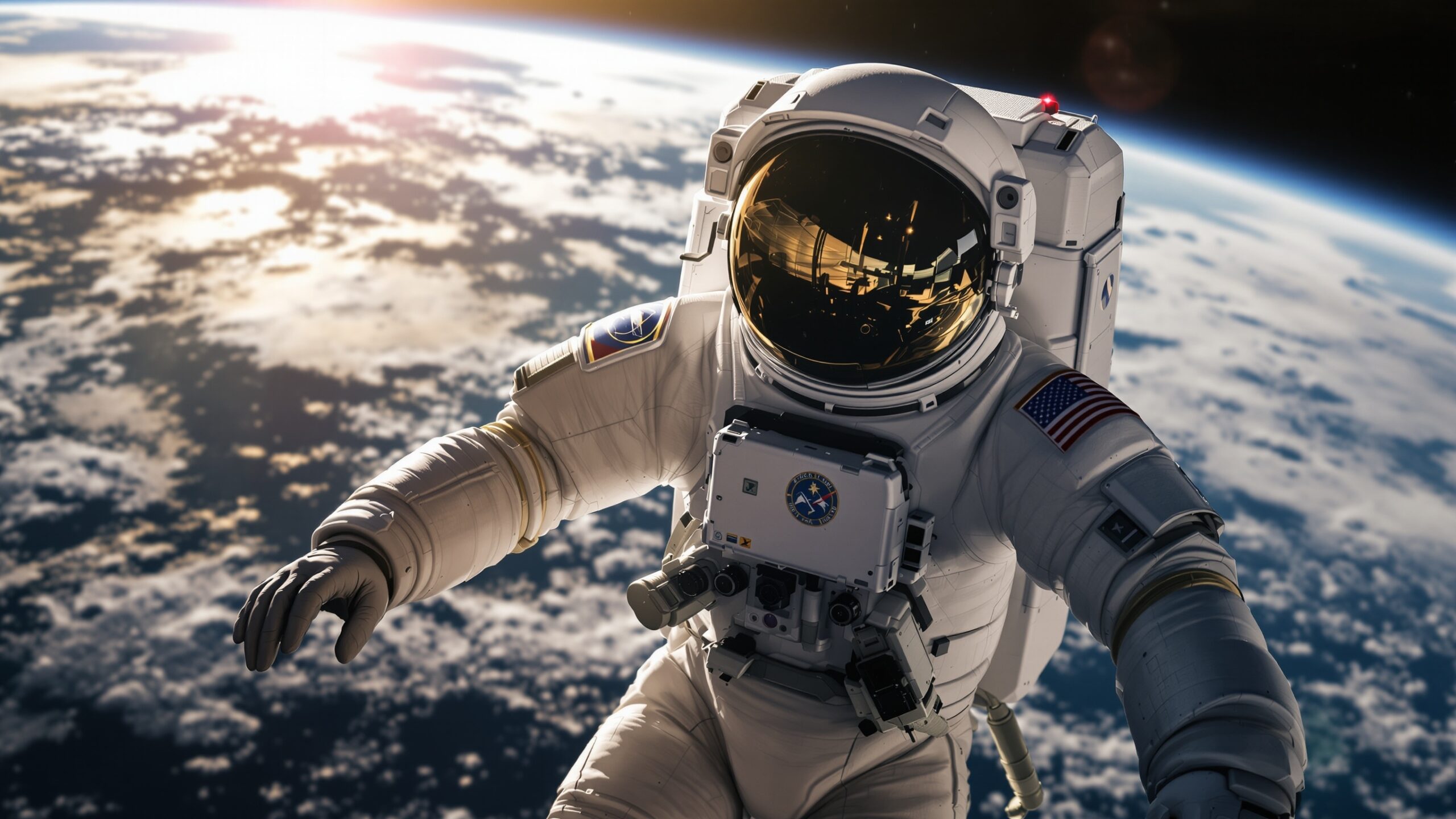
A spacewalk—technically known as an Extravehicular Activity (EVA)—is one of the most extraordinary feats humans can perform. During an EVA, astronauts leave the safety of their spacecraft and operate in the vacuum of space, an environment completely devoid of breathable air, atmospheric pressure, and protection from extreme temperatures. In such conditions, the simple act of breathing becomes a complex, highly engineered process. On Earth, breathing is part of a biological system called pulmonary respiration, in which oxygen is inhaled into the lungs, diffuses into the bloodstream through alveoli, and fuels cellular processes. Carbon dioxide, a waste product, is then exhaled. In space, however, this natural process cannot function without technological support. Astronauts rely on sophisticated life-support systems integrated into their spacesuits to replicate and maintain this vital exchange. Understanding how astronauts breathe during a spacewalk reveals not only the ingenuity of aerospace engineering but also the delicate balance required to sustain human life beyond Earth.
The Challenge of Breathing in Space
Space presents a fundamentally hostile environment for human respiration. There is no atmospheric pressure to keep gases stable, no oxygen available for inhalation, and no medium for heat transfer in the way we experience on Earth. If a human were exposed to space without protection, unconsciousness would occur within seconds due to oxygen deprivation, followed by rapid physiological damage.
One of the primary challenges is pressure. On Earth, atmospheric pressure helps keep oxygen dissolved in the blood. In the vacuum of space, this pressure drops to nearly zero, causing bodily fluids to behave unpredictably. Without sufficient pressure, oxygen cannot effectively enter the bloodstream, even if it were present.
Another issue is the absence of oxygen itself. Space is not just thin air—it is a near-perfect vacuum. Therefore, astronauts must carry their entire breathable environment with them. This includes not only oxygen supply but also systems to remove carbon dioxide and regulate humidity and temperature.
The Spacesuit: A Personal Life-Support System
The spacesuit, formally known as the Extravehicular Mobility Unit (EMU), is far more than protective clothing. It is essentially a self-contained spacecraft designed for one person. Every breath an astronaut takes during a spacewalk is made possible by the systems embedded within this suit. At the heart of the EMU is the Primary Life Support System (PLSS), a backpack-like unit that houses oxygen tanks, carbon dioxide removal systems, cooling mechanisms, and power supplies. The suit maintains a controlled internal environment, carefully balancing pressure, temperature, and gas composition.
The oxygen supplied within the suit is pure or near-pure oxygen, rather than a mixture like Earth’s atmosphere. This allows the suit to operate at a lower pressure while still delivering sufficient oxygen to the astronaut’s bloodstream. Lower pressure makes the suit more flexible, which is critical for mobility during complex tasks. Inside the helmet, oxygen flows continuously, ensuring that the astronaut always has access to fresh air. The system is designed so that inhalation and exhalation occur naturally, just as they would on Earth, but within a closed-loop environment.
Oxygen Supply: Delivering Breathable Air
The oxygen used during a spacewalk is stored in high-pressure tanks within the PLSS. This oxygen is carefully regulated and delivered into the suit at a consistent rate. The flow is continuous rather than demand-based, meaning that fresh oxygen is always circulating, regardless of the astronaut’s breathing pattern.
This design ensures that carbon dioxide does not accumulate around the astronaut’s face. Instead, exhaled air is quickly swept away and processed by the suit’s filtration systems. The constant flow also helps maintain a stable internal atmosphere, reducing the risk of localized pockets of high carbon dioxide concentration.
The amount of oxygen carried in the suit is sufficient for several hours of activity, typically between six and eight hours, with additional reserves for emergencies. This extended duration allows astronauts to perform complex تعمیر, maintenance, and scientific tasks outside their spacecraft.
Removing Carbon Dioxide: The Hidden Danger
While supplying oxygen is essential, removing carbon dioxide is equally critical. Carbon dioxide buildup can lead to a condition known as hypercapnia, which can cause headaches, confusion, loss of consciousness, and even death. To prevent this, the EMU uses specialized systems to scrub carbon dioxide from the air. Historically, materials like lithium hydroxide were used to chemically absorb carbon dioxide. Modern suits may use more advanced regenerative systems that can be reused over multiple missions. As the astronaut exhales, carbon dioxide is captured and removed from the circulating air. The cleaned air is then reoxygenated and returned to the helmet. This continuous cycle ensures that the astronaut is always breathing air with a safe composition. The efficiency of this system is vital. Even small failures in carbon dioxide removal can quickly become dangerous, which is why these systems are designed with redundancy and rigorous testing.
Pressure and Breathing: Finding the Right Balance
Maintaining proper pressure inside the spacesuit is crucial for effective breathing. The EMU typically operates at a pressure significantly lower than Earth’s atmospheric pressure, often around 4.3 pounds per square inch (psi), compared to Earth’s 14.7 psi at sea level.
To compensate for this lower pressure, the suit uses a high concentration of oxygen. This ensures that the partial pressure of oxygen—the amount available for absorption into the bloodstream—remains sufficient for normal physiological function.
However, transitioning from the spacecraft’s higher-pressure environment to the suit’s lower-pressure environment presents a risk of decompression sickness, also known as “the bends.” This occurs when dissolved nitrogen in the body forms bubbles as pressure decreases.
To prevent this, astronauts undergo a pre-breathing protocol before a spacewalk. They breathe pure oxygen for a period of time, allowing nitrogen to be purged from their bodies. This process reduces the risk of bubble formation when they enter the lower-pressure suit.
Temperature and Humidity Control
Breathing is closely tied to temperature and humidity. On Earth, the air we breathe is naturally regulated by the environment. In space, these conditions must be carefully controlled within the suit. The EMU includes systems to manage both temperature and humidity. As astronauts breathe, they release moisture into the air. If this moisture were allowed to accumulate, it could fog the helmet or interfere with equipment.
To address this, the suit includes a ventilation system that circulates air and removes excess humidity. Additionally, astronauts wear a Liquid Cooling and Ventilation Garment (LCVG) beneath the suit. This garment uses water-filled tubes to regulate body temperature, preventing overheating during physically demanding tasks.
By maintaining a stable internal climate, the suit ensures that breathing remains comfortable and efficient throughout the EVA.
Communication and Airflow
An often-overlooked aspect of breathing during a spacewalk is how it interacts with communication systems. Astronauts communicate with mission control and each other through microphones and speakers integrated into their helmets. The airflow within the helmet is designed to minimize interference with these systems. Engineers must ensure that the movement of air does not create excessive noise or distort speech. At the same time, the airflow must remain strong enough to prevent carbon dioxide buildup. This balance is achieved through careful design and testing, ensuring that astronauts can breathe safely while maintaining clear communication.
Emergency Systems and Redundancy
Safety is paramount during a spacewalk, and the breathing system is designed with multiple layers of redundancy. In addition to the primary oxygen supply, the suit includes an emergency backup system known as the Secondary Oxygen Pack (SOP).
If the primary system fails, the SOP can provide enough oxygen for the astronaut to return safely to the spacecraft. The suit also includes sensors that monitor oxygen levels, carbon dioxide concentration, pressure, and temperature in real time.
These sensors feed data to both the astronaut and mission control, allowing for immediate detection of any anomalies. If a problem arises, astronauts are trained to respond quickly, following established procedures to ensure their safety.
The Human Experience: What It Feels Like to Breathe in Space
Despite the complexity of the systems involved, astronauts often describe breathing during a spacewalk as surprisingly natural. The suit is designed to mimic Earth-like conditions as closely as possible, allowing astronauts to focus on their tasks rather than the mechanics of survival.
However, there are subtle differences. The lower pressure and continuous airflow can create a slightly different sensation compared to breathing on Earth. The suit’s rigidity and the physical effort required to move can also make breathing feel more labor-intensive.
Even so, the technology is so effective that astronauts can work for hours in one of the most extreme environments imaginable, relying entirely on their suit for every breath they take.
Advances in Space Suit Technology
As space exploration evolves, so too does spacesuit technology. New designs aim to improve mobility, efficiency, and safety. Future suits, such as those being developed for missions to the Moon and Mars, incorporate advanced materials and more efficient life-support systems. These next-generation suits may include improved carbon dioxide removal technologies, enhanced thermal regulation, and more ergonomic designs. Some concepts even explore variable-pressure suits that can adjust to different environments. The goal is to make spacewalks safer, longer, and more productive, enabling astronauts to explore new frontiers with greater confidence.
Why Breathing Systems Matter for Future Exploration
Understanding how astronauts breathe during a spacewalk is not just a matter of curiosity—it is essential for the future of human space exploration. As missions extend beyond low Earth orbit to destinations like the Moon, Mars, and beyond, reliable life-support systems become even more critical.
Long-duration missions will require systems that are more efficient, durable, and capable of operating independently for extended periods. Innovations in oxygen generation, carbon dioxide removal, and environmental control will play a key role in making these missions possible.
By mastering the challenges of breathing in space, humanity takes another step toward becoming a truly spacefaring species.
Engineering Every Breath
Breathing during a spacewalk is a remarkable blend of biology and technology. What is effortless on Earth becomes a carefully managed process in space, requiring precise control of oxygen, pressure, temperature, and carbon dioxide levels. Through the use of advanced spacesuits like the Extravehicular Mobility Unit, astronauts are able to survive and thrive in the vacuum of space. These suits act as personal life-support systems, enabling humans to explore environments that would otherwise be instantly lethal. Every breath taken during a spacewalk is a testament to human ingenuity—a reminder that even in the most inhospitable conditions, life can be sustained through innovation, engineering, and an unyielding spirit of exploration.