Sleep is one of the most essential biological functions for human survival, yet it becomes a fascinating challenge when taken beyond Earth. In orbit, astronauts must navigate an environment where gravity—the force that quietly shapes nearly every aspect of our daily routines—no longer applies in the same way. The scientific study of sleep, known as somnology, provides the framework for understanding how humans rest, recover, and regulate biological rhythms. But what happens when somnology meets spaceflight? Aboard spacecraft like the International Space Station (ISS), astronauts experience a radically different relationship with their bodies, their surroundings, and even time itself. Without gravity to anchor them, they float freely, detached from the familiar sensations of lying down or feeling weight against a mattress. Yet despite these differences, astronauts must still achieve quality sleep to maintain cognitive performance, physical health, and mission success. Understanding how they do so offers a compelling glimpse into human adaptability and the science of living beyond Earth.
The Challenge of Sleeping Without Gravity
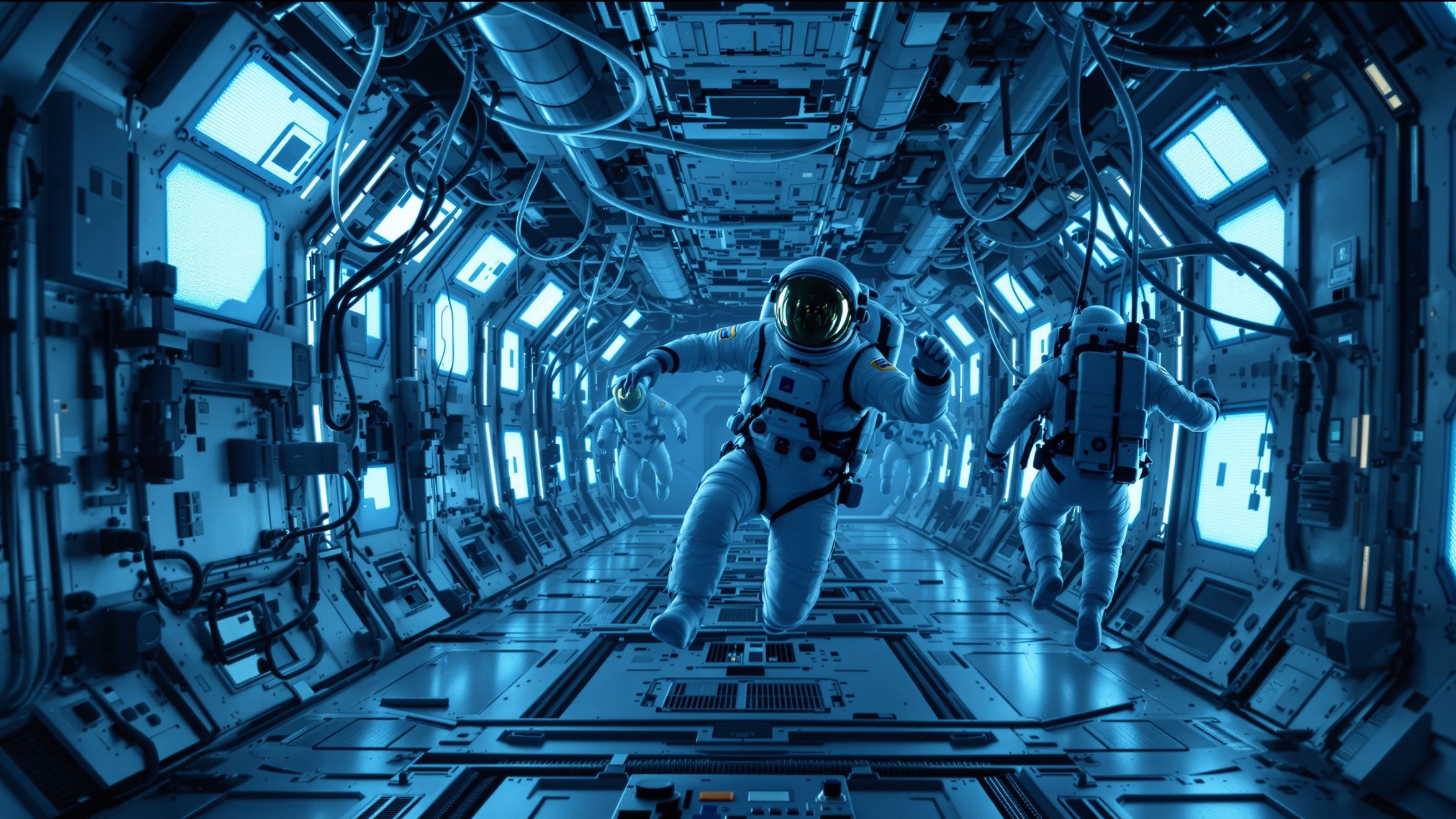
On Earth, sleep is closely tied to gravity. When we lie down, our bodies distribute weight across a surface, signaling relaxation and rest. In space, however, there is no “up” or “down.” Astronauts float continuously, and this changes the very foundation of how sleep feels.
In microgravity, the body no longer experiences pressure points. There is no mattress pressing against the back or pillow supporting the head. At first, this may sound uncomfortable, but many astronauts report that it can actually feel liberating. Without pressure on joints or muscles, the body can fully relax in ways that are impossible on Earth. However, this unfamiliar sensation also requires adjustment. The absence of gravity removes cues that the brain associates with rest, making it harder to fall asleep initially.
Another challenge comes from the internal sense of orientation. On Earth, our vestibular system—located in the inner ear—helps us maintain balance and understand our position in space. In microgravity, this system becomes confused, which can lead to disorientation or space motion sickness, especially during the first few days of a mission. Until the brain adapts, sleep can be restless and fragmented.
Where Do Astronauts Sleep?
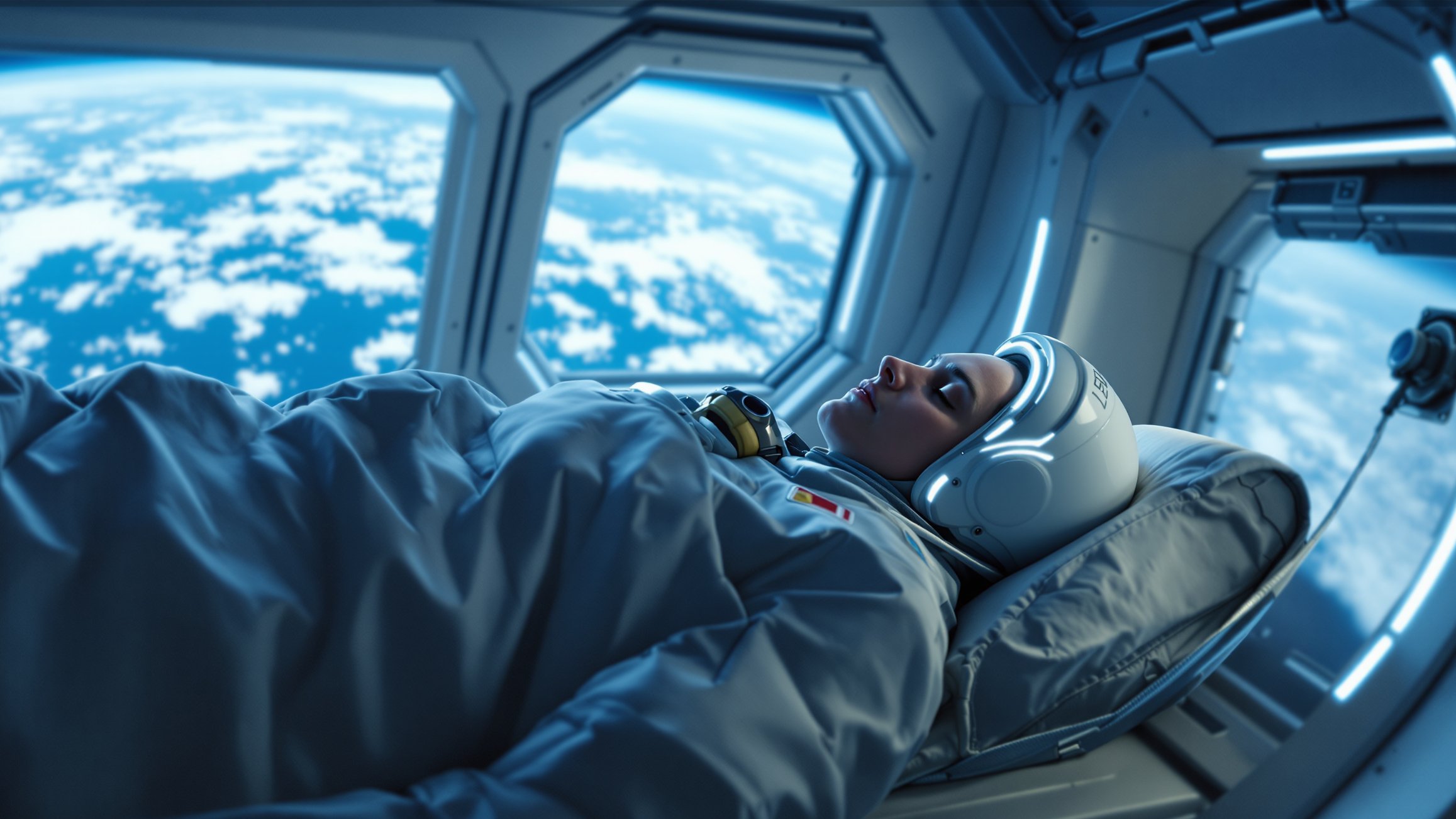
Astronauts do not sleep in traditional beds. Instead, they use specially designed sleeping quarters that resemble small, private cabins. On the ISS, each crew member typically has a personal sleep station about the size of a phone booth. These compartments are equipped with ventilation, lighting controls, and storage for personal items.
Inside the sleep station, astronauts secure themselves in a sleeping bag that is attached to the wall. Because there is no gravity, the sleeping bag does not need to support body weight—it simply prevents the astronaut from drifting around the cabin while asleep. The bag can be oriented in any direction: vertically, horizontally, or even upside down. In space, orientation is purely psychological.
The walls of these sleep stations are often lined with soft materials and personal touches such as photos, notes, or small mementos from Earth. These familiar elements help create a sense of comfort and routine, which is crucial for maintaining good sleep hygiene in an otherwise alien environment.
Do Astronauts Lie Down to Sleep?
One of the most intriguing aspects of sleeping in space is that astronauts do not “lie down” in the traditional sense. Without gravity, the concept of lying versus standing becomes meaningless. Instead, astronauts float in a neutral body posture, often described as slightly curled with arms bent and legs relaxed.
This neutral posture is actually quite natural. Studies have shown that when humans are placed in weightless environments, their bodies instinctively assume this position because it minimizes muscle strain. As a result, astronauts can fall asleep without the need for a mattress or pillow.
Interestingly, some astronauts report missing the sensation of being held down by gravity. The gentle pressure of a mattress or blanket can be comforting, and its absence may take time to adjust to. To compensate, some astronauts loosely strap their sleeping bags or use light restraints to recreate a sense of physical contact.
How Long Do Astronauts Sleep?
Sleep duration in space is similar to that on Earth. Astronauts are typically scheduled for about eight hours of sleep per night. However, achieving this full amount consistently can be difficult. Research has shown that astronauts often get less sleep than planned, averaging closer to six or seven hours per night. This reduction is due to a combination of factors, including workload, environmental disturbances, and physiological changes. Sleep quality can also be affected, with more frequent awakenings and lighter sleep stages. Despite these challenges, maintaining adequate rest is critical. Sleep deprivation can impair reaction time, decision-making, and emotional regulation—all of which are essential for the high-stakes tasks astronauts perform daily.
The Role of Circadian Rhythms in Space
On Earth, our circadian rhythm—the internal biological clock that regulates sleep and wake cycles—is synchronized with the 24-hour day-night cycle. In orbit, this natural rhythm is disrupted. The ISS circles Earth approximately every 90 minutes, meaning astronauts experience about 16 sunrises and sunsets each day. Without intervention, this rapid cycling of light and darkness could wreak havoc on the body’s internal clock.
To address this, astronauts follow a strict schedule based on Coordinated Universal Time (UTC). Artificial lighting inside the station is carefully controlled to simulate a 24-hour day. Lights are dimmed during “nighttime” hours and brightened during “daytime” to help regulate circadian rhythms.
Modern spacecraft also use advanced lighting systems that can adjust color temperature. Cooler, blue-enriched light is used during waking hours to promote alertness, while warmer tones are used before sleep to encourage relaxation and melatonin production.
Environmental Factors That Affect Sleep
Sleeping in space involves adapting to a range of environmental conditions that differ significantly from those on Earth. Noise is one of the most prominent factors. The ISS is filled with the constant hum of equipment, including fans, pumps, and scientific instruments. While the sound level is carefully managed, it can still be disruptive, especially for light sleepers.
Temperature is another consideration. In microgravity, heat does not rise in the same way it does on Earth. Without proper ventilation, warm air can accumulate around the body, creating discomfort. To prevent this, sleep stations are equipped with airflow systems that circulate air and regulate temperature.
Lighting conditions must also be carefully controlled. Even small amounts of stray light can interfere with sleep, so astronauts often use eye masks to block out illumination. Similarly, earplugs are commonly used to reduce noise and create a more restful environment.
Do Astronauts Dream in Space?
Yes, astronauts do dream in space, and their dreams can be just as vivid and complex as those experienced on Earth. However, the unique environment of space can influence dream content.
Some astronauts report dreams involving floating, flying, or navigating unfamiliar environments—experiences that mirror their waking reality. Others have described particularly vivid or unusual dreams, possibly due to changes in sensory input and the novelty of their surroundings.
The study of dreams in space is still an emerging area within somnology, but it offers intriguing insights into how the brain processes experiences in extreme environments.
Sleeping During Spacewalk Missions
Sleep becomes even more critical during periods of intense activity, such as spacewalks. These missions require precise coordination, physical endurance, and sustained focus.
Before a spacewalk, astronauts often adjust their sleep schedules to ensure they are well-rested. In some cases, they may use short naps to boost alertness. Sleep preparation becomes part of mission planning, emphasizing the importance of rest as a performance tool.
After a spacewalk, the body may experience fatigue, muscle strain, and heightened stress. Quality sleep is essential for recovery, helping astronauts regain energy and prepare for subsequent tasks.
The Use of Sleep Aids in Space
Despite careful planning, some astronauts still struggle with sleep. In these cases, sleep aids may be used. These can include mild medications prescribed under strict medical supervision.
However, reliance on medication is minimized whenever possible. Instead, astronauts are encouraged to use behavioral strategies such as maintaining a consistent schedule, limiting screen exposure before sleep, and creating a calming pre-sleep routine.
NASA and other space agencies continue to research non-pharmacological methods for improving sleep, including mindfulness techniques and optimized lighting systems.
Long-Duration Missions and Sleep Research
As space agencies prepare for longer missions—such as journeys to Mars—understanding sleep in space becomes increasingly important. Extended periods in microgravity, combined with isolation and confinement, can place additional strain on sleep patterns. Researchers are studying how to maintain healthy sleep over months or even years in space. This includes developing improved sleep environments, refining schedules, and exploring new technologies to support circadian regulation. These studies not only benefit astronauts but also have applications on Earth. Insights gained from space research can help improve sleep for people working in extreme conditions, such as shift workers, pilots, and healthcare professionals.
Psychological Aspects of Sleeping in Space
Sleep is deeply connected to mental health. In space, astronauts face unique psychological challenges, including isolation from family, confinement in a small environment, and the pressure of high-stakes missions.
A good night’s sleep can help mitigate these stressors. Personal sleep stations provide a sense of privacy and control, allowing astronauts to unwind and recharge. Maintaining a regular sleep routine also contributes to emotional stability and overall well-being.
Communication with loved ones, relaxation techniques, and structured daily schedules all play a role in supporting mental health and improving sleep quality.
What Happens If Astronauts Don’t Sleep?
The consequences of sleep deprivation in space are similar to those on Earth but can be more dangerous due to the nature of the work. Reduced alertness, slower reaction times, and impaired judgment can increase the risk of errors. In a spacecraft, even small mistakes can have significant consequences. As a result, sleep is treated as a critical component of mission safety. Schedules are designed to prioritize rest, and astronauts are closely monitored to ensure they are getting enough sleep.
The Future of Sleep in Space Exploration
As humanity looks toward deeper space exploration, the science of sleep will play an increasingly important role. Future spacecraft may feature more advanced sleep systems, including adjustable lighting, soundproofing, and even artificial gravity environments.
There is also growing interest in technologies that could monitor sleep in real time, providing feedback and recommendations to optimize rest. Wearable devices and biometric sensors may become standard tools for managing sleep health in space.
Ultimately, the goal is to ensure that astronauts can maintain peak performance and well-being, no matter how far they travel from Earth.
Adapting Sleep for Life Beyond Earth
Sleeping in space is a remarkable example of human adaptability. Without gravity, familiar cues disappear, and the body must learn to rest in entirely new ways. Through the principles of somnology and the ingenuity of space engineering, astronauts have developed effective strategies for achieving quality sleep in microgravity. From floating in sleeping bags to following carefully controlled light cycles, every aspect of sleep in space is thoughtfully designed. These innovations not only support the success of space missions but also expand our understanding of sleep itself. As we continue to explore the cosmos, one thing remains clear: even among the stars, sleep is essential.