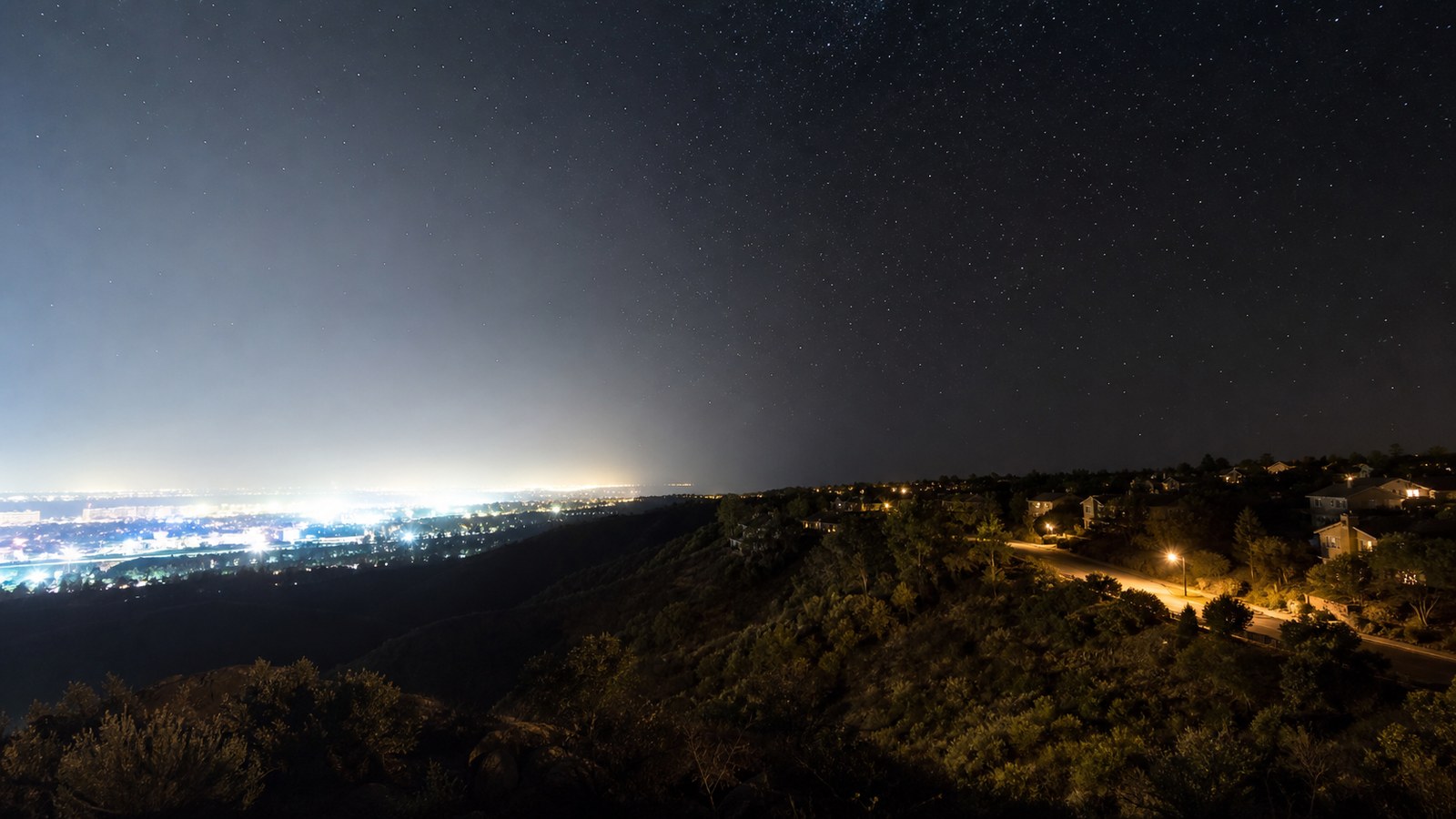
Light Pollution Explained: Causes, Effects, and Solutions

Light pollution is not simply the presence of electric light at night. It is light used at the wrong place, direction, time, intensity, or spectrum. That distinction matters because the solution is not darkness everywhere. It is better lighting engineering, informed policy, measurement, and maintenance that preserve legitimate nighttime activity while reducing waste and unintended exposure.
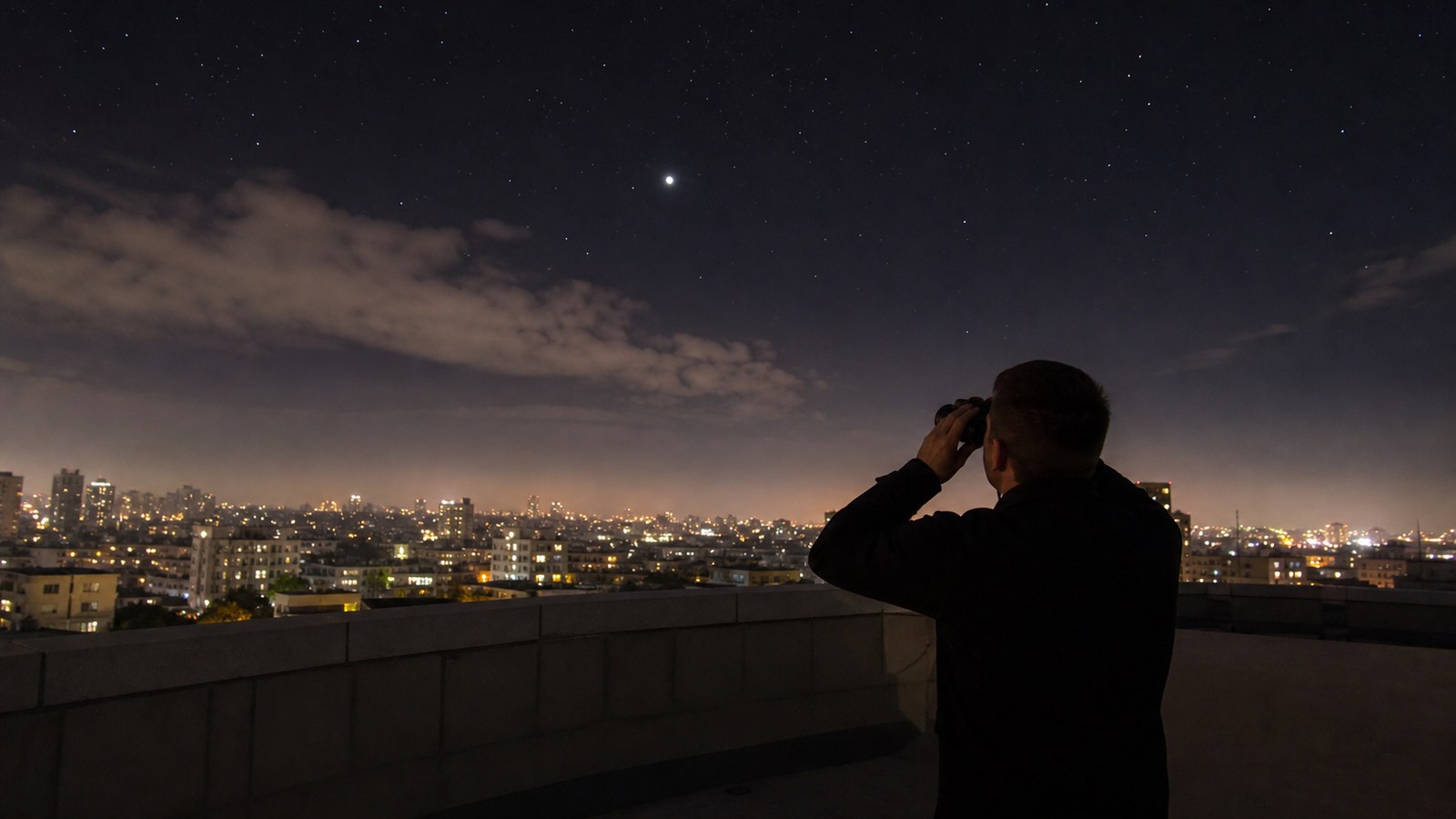
Best Ways to See Stars in Light-Polluted Cities

City astronomy is not failed rural astronomy. It is a different observing environment in which contrast, glare, and target choice matter more than raw distance from a downtown core. Bright planets, the Moon, double stars, clusters, and many seasonal patterns remain accessible when the observer controls nearby light and works with the clearest parts of the urban sky.

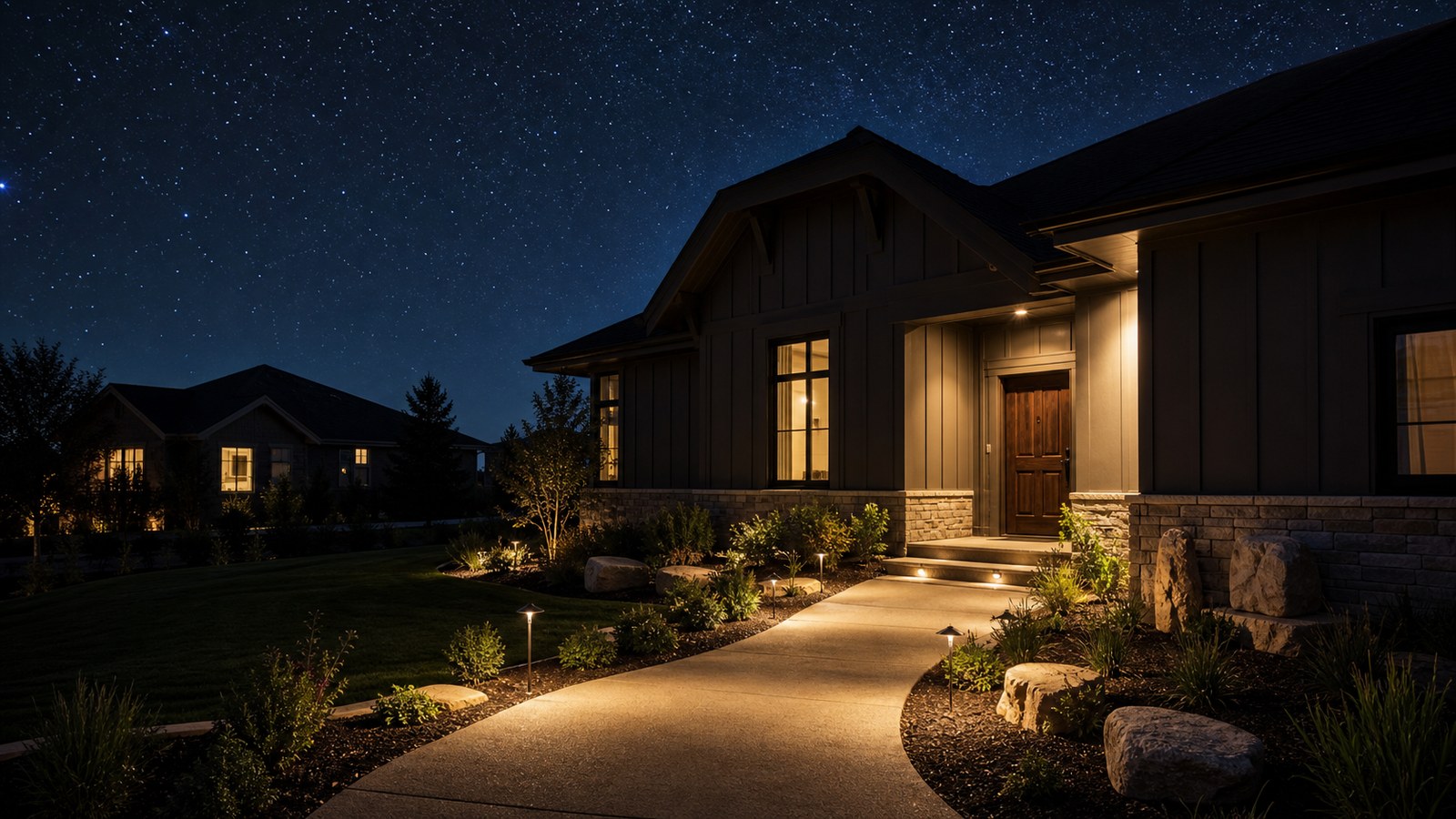
How to Reduce Light Pollution at Home (Complete Beginner’s Guide)

Reducing light pollution at home does not require making a property unsafe or unusable after dark. It requires asking each fixture to perform a defined job and preventing the light from escaping that job. The most effective changes often cost little: aiming a lamp downward, lowering output, adding a timer, selecting a warmer source, or removing illumination that serves no current purpose.