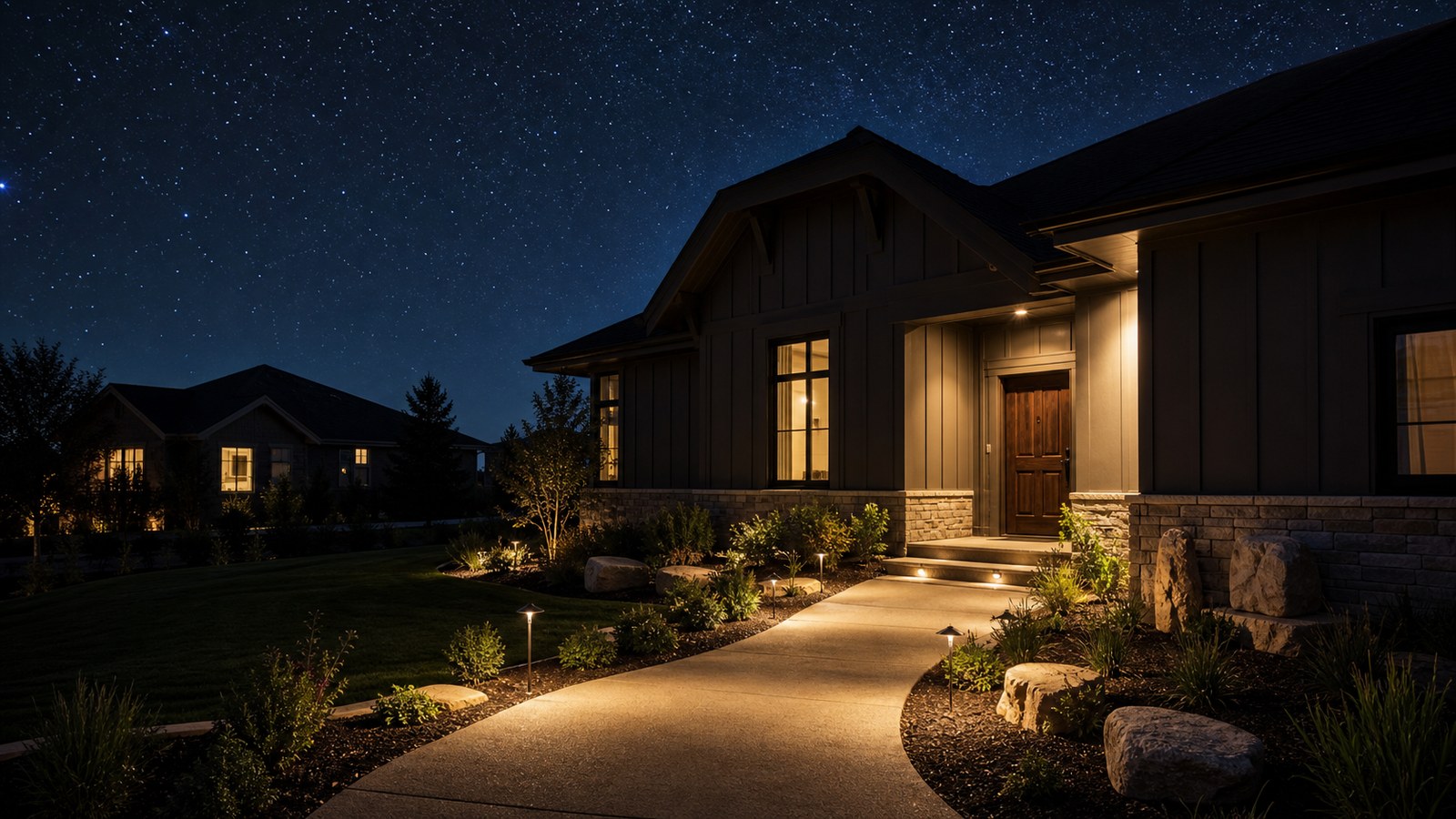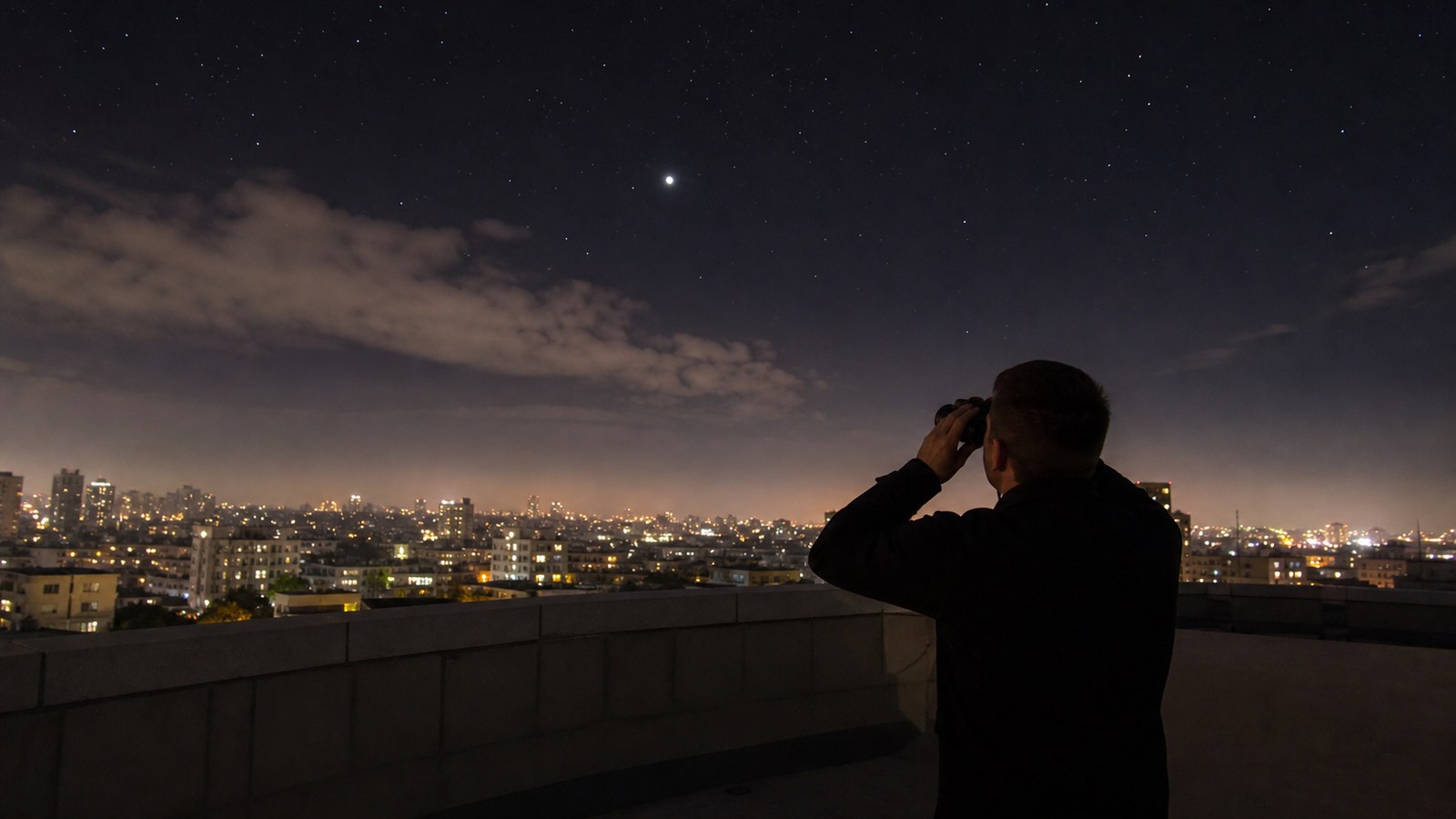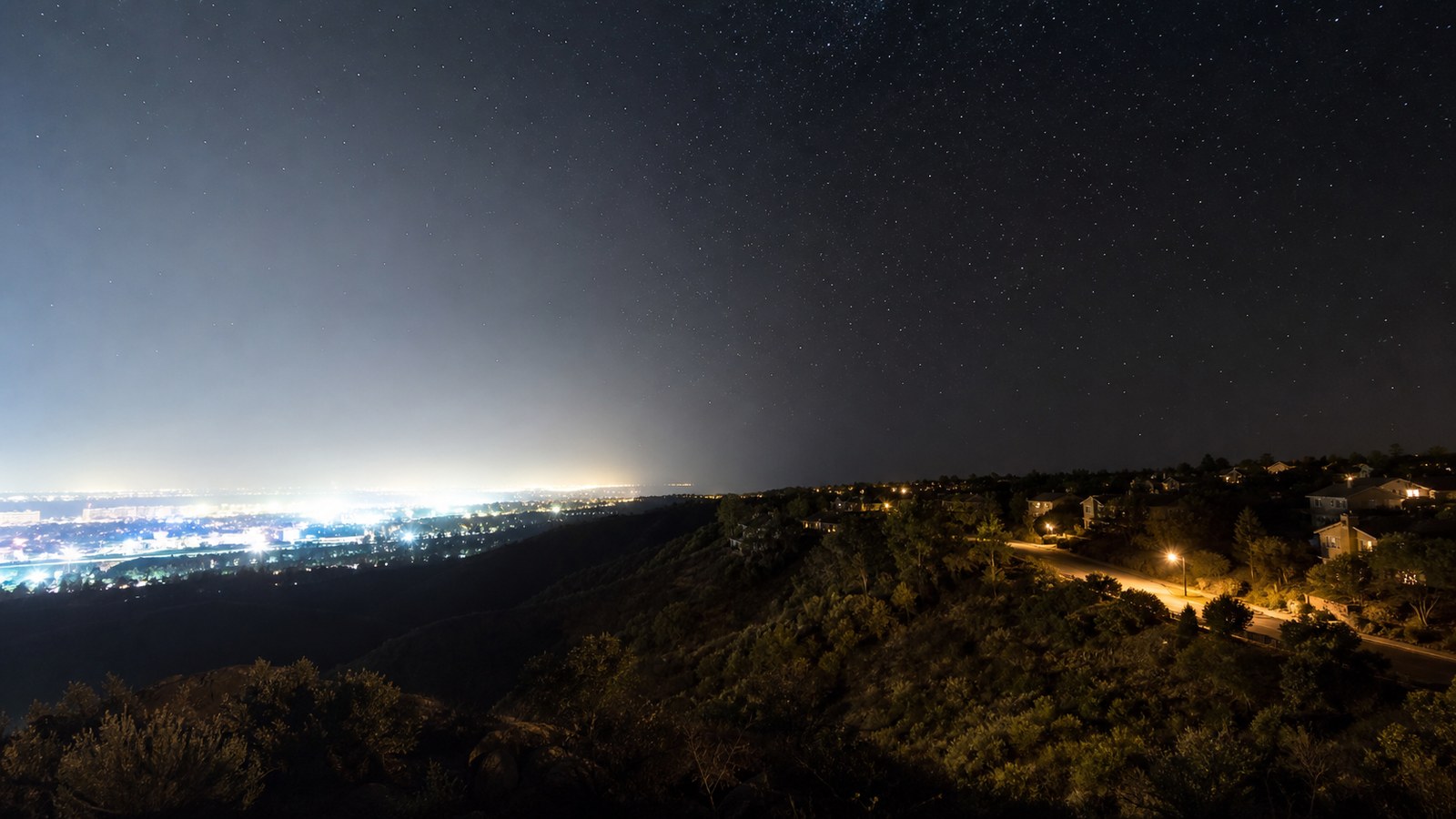
Light pollution is not simply the presence of electric light at night. It is light used at the wrong place, direction, time, intensity, or spectrum. That distinction matters because the solution is not darkness everywhere. It is better lighting engineering, informed policy, measurement, and maintenance that preserve legitimate nighttime activity while reducing waste and unintended exposure.
Four Problems Often Blended Together
Skyglow brightens the atmosphere, glare impairs vision, trespass crosses boundaries, and clutter creates confusing concentrations of competing sources. This relationship becomes easier to understand when the variables are separated. Each problem follows different geometry and affects people at different distances from the fixture. Identify the specific failure before selecting shielding, dimming, relocation, curfew, or removal. A citywide skyglow statistic cannot explain a neighbor's bedroom intrusion, while fixing one trespass complaint may not alter regional glow. The most useful response is to observe the result, note the conditions, and adjust one variable at a time. When uncertainty remains, choose the more conservative interpretation and gather another observation.
Identify the specific failure before selecting shielding, dimming, relocation, curfew, or removal. At night, small operational choices can produce large differences. A citywide skyglow statistic cannot explain a neighbor's bedroom intrusion, while fixing one trespass complaint may not alter regional glow. Skyglow brightens the atmosphere, glare impairs vision, trespass crosses boundaries, and clutter creates confusing concentrations of competing sources. Each problem follows different geometry and affects people at different distances from the fixture. The most useful response is to observe the result, note the conditions, and adjust one variable at a time. Keep the observation tied to time, direction, and conditions so it can be compared later.
How Photons Reach the Sky
Direct uplight and near-horizontal emission enter long atmospheric paths, while light reflected from pavement and walls also contributes. Good results follow when preparation and interpretation remain connected. Molecules and aerosols scatter light, with wavelength, humidity, dust, and beam angle influencing the result. Limit emission near the horizon, reduce unnecessary lumens, and select surfaces and optics that keep light on the task. A nominally zero-uplight fixture can still add substantial skyglow when it over-lights a pale surface that reflects upward. The most useful response is to observe the result, note the conditions, and adjust one variable at a time. The goal is a repeatable result, not a single lucky success.
Limit emission near the horizon, reduce unnecessary lumens, and select surfaces and optics that keep light on the task. This is where technique matters more than expensive equipment. A nominally zero-uplight fixture can still add substantial skyglow when it over-lights a pale surface that reflects upward. Direct uplight and near-horizontal emission enter long atmospheric paths, while light reflected from pavement and walls also contributes. Molecules and aerosols scatter light, with wavelength, humidity, dust, and beam angle influencing the result. The most useful response is to observe the result, note the conditions, and adjust one variable at a time. That record makes the lesson transferable instead of leaving it as a one-night impression.
Effects on Human Vision and Experience
Glare can reduce visual performance even while an area appears brighter, and unwanted light can disturb sleep or privacy. What looks like a minor detail often controls the entire outcome. A bright source in the field of view causes veiling luminance inside the eye and suppresses perception of lower-contrast detail. Shield the source from normal sightlines and favor uniform task lighting over isolated high-intensity points. More lumens should not be assumed to mean greater safety; visibility depends on contrast, adaptation, uniformity, and context. The most useful response is to observe the result, note the conditions, and adjust one variable at a time. This approach preserves both accuracy and the enjoyment of discovery.
Shield the source from normal sightlines and favor uniform task lighting over isolated high-intensity points. The distinction matters because similar-looking outcomes can have different causes. More lumens should not be assumed to mean greater safety; visibility depends on contrast, adaptation, uniformity, and context. Glare can reduce visual performance even while an area appears brighter, and unwanted light can disturb sleep or privacy. A bright source in the field of view causes veiling luminance inside the eye and suppresses perception of lower-contrast detail. The most useful response is to observe the result, note the conditions, and adjust one variable at a time. A second attempt under changed conditions will reveal whether the first result was typical.
Ecological Timing Under Artificial Night
Nocturnal and migrating species use darkness, lunar cycles, and natural spectral cues for orientation, feeding, reproduction, and predator avoidance. Instead of relying on expectation, use the scene itself as feedback. Artificial illumination can change behavior beyond the lit footprint through attraction, avoidance, and altered habitat boundaries. Protect dark corridors, reduce shoreline and canopy lighting, enforce curfews, and choose spectra suited to local wildlife guidance. A lamp that seems dim to a human observer may remain biologically significant to species with different visual sensitivity. The most useful response is to observe the result, note the conditions, and adjust one variable at a time. Over time, those small checks become automatic and free attention for finer detail.
Protect dark corridors, reduce shoreline and canopy lighting, enforce curfews, and choose spectra suited to local wildlife guidance. Real conditions rarely isolate one factor, so context must remain visible. A lamp that seems dim to a human observer may remain biologically significant to species with different visual sensitivity. Nocturnal and migrating species use darkness, lunar cycles, and natural spectral cues for orientation, feeding, reproduction, and predator avoidance. Artificial illumination can change behavior beyond the lit footprint through attraction, avoidance, and altered habitat boundaries. The most useful response is to observe the result, note the conditions, and adjust one variable at a time. When uncertainty remains, choose the more conservative interpretation and gather another observation.
Energy, Carbon, and Rebound
Efficient sources reduce watts per lumen, but low operating cost can encourage more fixtures, longer hours, and higher output. Long-term skill develops by noticing this pattern repeatedly. This rebound effect allows total light consumption to rise despite efficient technology. Pair LED conversions with lumen caps, dimming schedules, fixture inventories, and before-and-after measurements. A technology upgrade without operational limits can save less energy and produce more skyglow than planners expected. The most useful response is to observe the result, note the conditions, and adjust one variable at a time. The same reasoning can then be applied to more difficult targets or environments.
Pair LED conversions with lumen caps, dimming schedules, fixture inventories, and before-and-after measurements. The underlying physics also explains a common surprise. A technology upgrade without operational limits can save less energy and produce more skyglow than planners expected. Efficient sources reduce watts per lumen, but low operating cost can encourage more fixtures, longer hours, and higher output. This rebound effect allows total light consumption to rise despite efficient technology. The most useful response is to observe the result, note the conditions, and adjust one variable at a time. The goal is a repeatable result, not a single lucky success.
Solutions From Porch to Policy
Household retrofits, procurement standards, zoning codes, adaptive controls, public education, and enforcement address different scales. At night, small operational choices can produce large differences. Durable reduction occurs when design requirements are supported by commissioning and long-term maintenance. Adopt purpose, targeting, low level, control, and warm color as linked criteria; measure outcomes rather than counting installations. Rules that specify only color temperature or shielding leave major pathways for over-lighting and excessive operating hours. The most useful response is to observe the result, note the conditions, and adjust one variable at a time. Keep the observation tied to time, direction, and conditions so it can be compared later.
Adopt purpose, targeting, low level, control, and warm color as linked criteria; measure outcomes rather than counting installations. Seen as a workflow problem, the solution becomes more manageable. Rules that specify only color temperature or shielding leave major pathways for over-lighting and excessive operating hours. Household retrofits, procurement standards, zoning codes, adaptive controls, public education, and enforcement address different scales. Durable reduction occurs when design requirements are supported by commissioning and long-term maintenance. The most useful response is to observe the result, note the conditions, and adjust one variable at a time. This approach preserves both accuracy and the enjoyment of discovery.
This rebound effect allows total light consumption to rise despite efficient technology. The safest assumption is that conditions will vary and the plan must adapt. Pair LED conversions with lumen caps, dimming schedules, fixture inventories, and before-and-after measurements. A technology upgrade without operational limits can save less energy and produce more skyglow than planners expected. Efficient sources reduce watts per lumen, but low operating cost can encourage more fixtures, longer hours, and higher output. The most useful response is to observe the result, note the conditions, and adjust one variable at a time. A second attempt under changed conditions will reveal whether the first result was typical.
Artificial illumination can change behavior beyond the lit footprint through attraction, avoidance, and altered habitat boundaries. The strongest evidence comes from what changes when one condition is altered. Protect dark corridors, reduce shoreline and canopy lighting, enforce curfews, and choose spectra suited to local wildlife guidance. A lamp that seems dim to a human observer may remain biologically significant to species with different visual sensitivity. Nocturnal and migrating species use darkness, lunar cycles, and natural spectral cues for orientation, feeding, reproduction, and predator avoidance. The most useful response is to observe the result, note the conditions, and adjust one variable at a time. When uncertainty remains, choose the more conservative interpretation and gather another observation.
This rebound effect allows total light consumption to rise despite efficient technology. The underlying physics also explains a common surprise. Pair LED conversions with lumen caps, dimming schedules, fixture inventories, and before-and-after measurements. A technology upgrade without operational limits can save less energy and produce more skyglow than planners expected. Efficient sources reduce watts per lumen, but low operating cost can encourage more fixtures, longer hours, and higher output. The most useful response is to observe the result, note the conditions, and adjust one variable at a time. The goal is a repeatable result, not a single lucky success.
Molecules and aerosols scatter light, with wavelength, humidity, dust, and beam angle influencing the result. Experience tends to confirm the value of a controlled approach. Limit emission near the horizon, reduce unnecessary lumens, and select surfaces and optics that keep light on the task. A nominally zero-uplight fixture can still add substantial skyglow when it over-lights a pale surface that reflects upward. Direct uplight and near-horizontal emission enter long atmospheric paths, while light reflected from pavement and walls also contributes. The most useful response is to observe the result, note the conditions, and adjust one variable at a time. This approach preserves both accuracy and the enjoyment of discovery.
A Practical Next Session
Light pollution is a solvable design and governance problem because its sources are local, measurable, and controllable. The strongest programs combine geometry, output, timing, spectrum, ecological context, and maintenance. Better light protects visibility and nighttime activity precisely by eliminating the portions that never served the task.