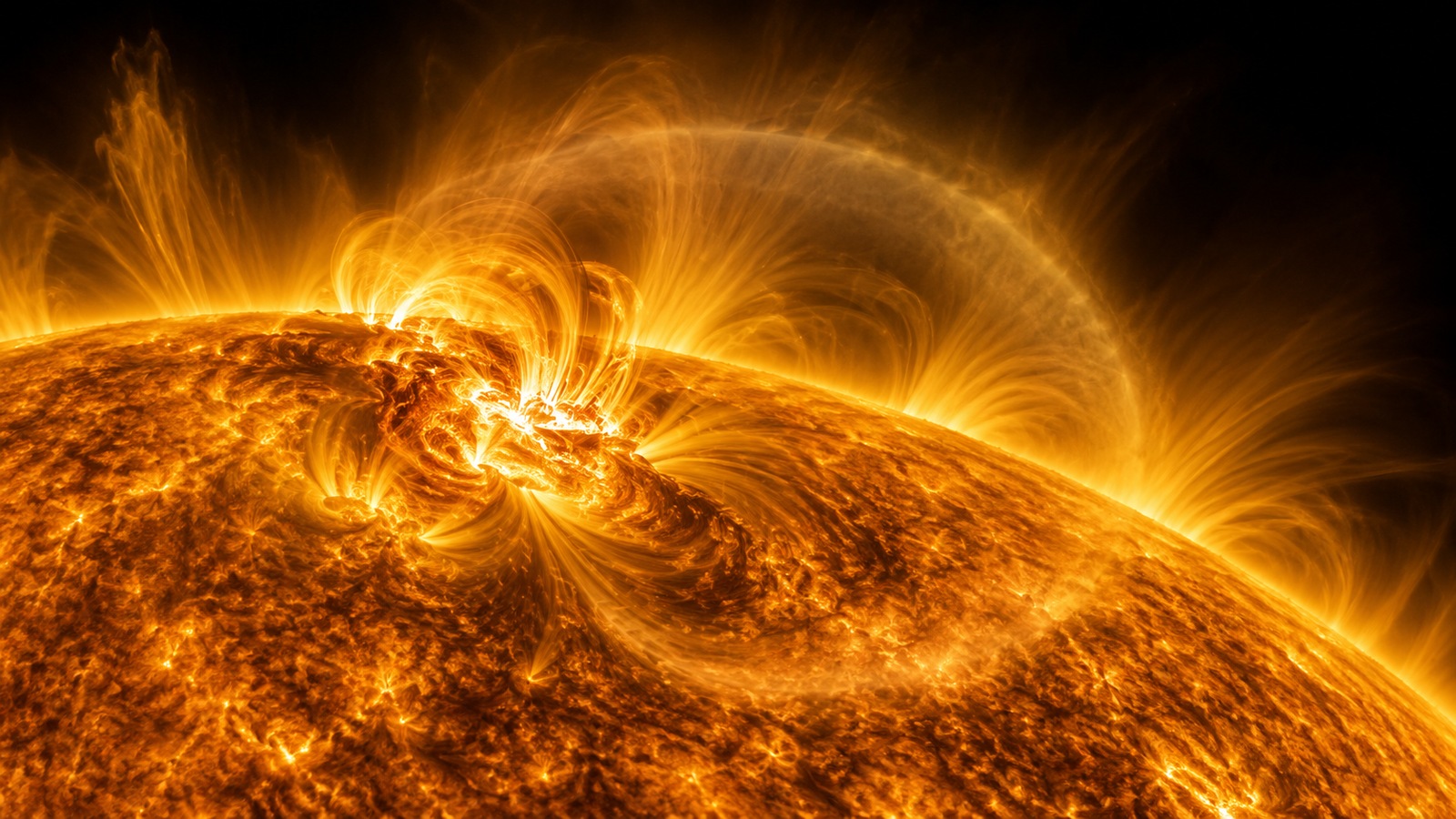
The Daily Influence of Our Star
The Sun, scientifically known as Sol and classified as a G-type main-sequence star (G2V), is the most important star in our lives. Without its warmth and light, Earth would be a frozen, lifeless rock drifting in the darkness of space. Yet the Sun’s role goes far beyond simple illumination. Every day, it powers our climate, fuels photosynthesis, drives the water cycle, and even influences our moods and health. To understand how the Sun affects Earth each day is to recognize the invisible threads connecting our lives to the fiery heart of our solar system.
From the rise of the morning sun to its glow at dusk, every moment on Earth is shaped by its presence. The Sun dictates the rhythms of time, weather, and biology, weaving together a system that sustains life and civilization. Exploring these connections reveals not only how deeply reliant we are on Sol but also how its moods—flares, storms, and cycles—reach across space to touch us in profound ways.
Sunlight as the Source of Life
The most obvious daily effect of the Sun is its light. Sunlight provides energy that sustains ecosystems, allowing plants to carry out photosynthesis. In this process, plants capture solar energy, convert carbon dioxide and water into glucose, and release oxygen as a byproduct. Every breath we take is made possible by the Sun’s steady output, and every calorie of food we consume is tied to its light. This daily exchange demonstrates the fundamental truth that the Sun is the foundation of life. Without its rays streaming down to Earth, the food chain would collapse within weeks. Human civilization is therefore bound not just metaphorically but physically to the energy radiating from Sol, arriving after an eight-minute journey across the vacuum of space.
The Heat That Shapes Our Climate
Sunlight is more than illumination; it is heat that powers weather systems and climate. Each day, the Sun warms Earth’s surface unevenly, with equatorial regions receiving more direct rays than the poles. This imbalance creates temperature gradients that drive winds, ocean currents, and storm systems.
Without the Sun’s daily heating, Earth’s atmosphere would be stagnant, and the water cycle would cease. Clouds would not form, rain would not fall, and rivers would dry. Every weather event, from a gentle breeze to a roaring hurricane, is ultimately powered by the heat delivered by our star. Its steady warmth ensures that Earth remains within the habitable range, with liquid water sustaining life.
The Daily Dance of Circadian Rhythms
The Sun also acts as a biological clock for living beings on Earth. Humans, animals, and even plants rely on circadian rhythms—internal processes regulated by the daily cycle of light and dark. Sunlight triggers the release of hormones like melatonin and cortisol, which regulate sleep, alertness, and mood.
Every morning, the rising Sun resets our biological clocks, ensuring that we remain synchronized with the 24-hour day. The absence of sunlight can disrupt these rhythms, as seen during long polar nights or in people who spend most of their time indoors. Our bodies are literally programmed to live by the light of the Sun, responding to its daily presence in ways we often take for granted.
Vitamin D and Human Health
Beyond regulating sleep and alertness, the Sun plays a direct role in human health by enabling the production of vitamin D. When ultraviolet rays strike our skin, they trigger a chemical reaction that produces this essential nutrient, which is vital for bone health, immune function, and overall well-being. Every day, brief exposure to sunlight helps maintain healthy vitamin D levels. Without it, deficiencies can arise, leading to health problems such as rickets or weakened immune defenses. The Sun’s daily role in human physiology is thus a quiet but essential reminder of its biological importance.
The Water Cycle and Daily Weather
One of the most important ways the Sun influences Earth every day is through the water cycle. By heating oceans, lakes, and rivers, the Sun causes water to evaporate into the atmosphere. This vapor condenses into clouds, which eventually release precipitation in the form of rain or snow. This daily cycle sustains agriculture, replenishes freshwater supplies, and regulates ecosystems. Every drop of rain and every snowflake begins with energy from the Sun. Without it, Earth would quickly dry out, and life as we know it would cease. The Sun is therefore not only the giver of light and heat but also the hidden architect of water.
Winds, Currents, and Daily Weather Patterns
The Sun’s uneven heating of Earth creates winds that blow across continents and oceans, shaping weather patterns every day. As warm air rises and cooler air sinks, pressure systems form, leading to breezes, storms, and even large-scale phenomena like monsoons.
The Sun also drives ocean currents, which redistribute heat across the globe. Warm currents like the Gulf Stream bring temperate climates to Europe, while cold currents help regulate ecosystems in the Pacific. Each day, as the Sun heats different regions, winds and currents shift, proving that Earth’s dynamic weather is inseparable from the Sun’s energy.
Auroras and Solar Storms
Most daily effects of the Sun are predictable, but occasionally it reminds us of its power through solar storms. Bursts of energy called solar flares and coronal mass ejections hurl charged particles into space. When these reach Earth, they interact with our magnetic field, creating shimmering displays of light known as auroras. These natural light shows, visible near the poles, are a beautiful but stark reminder of the Sun’s influence. On some days, solar storms can disrupt satellites, power grids, and communication systems. While auroras delight onlookers, they also reveal the hidden daily risks of living near an active star.
Sunspots and Solar Cycles
Every day, the Sun’s activity is influenced by its 11-year solar cycle, a rhythm of magnetic activity that produces sunspots, flares, and changes in solar radiation. Sunspots, cooler and darker regions on the photosphere, rise and fall in number depending on where the Sun is in its cycle. Though changes are gradual, the daily presence of sunspots can affect solar radiation levels reaching Earth. At times of high activity, Earth may experience stronger auroras and greater risks of technological disruption. This cycle shows that the Sun’s influence on Earth is not static but constantly evolving, shaping daily conditions in subtle and sometimes dramatic ways.
The Invisible Force of Solar Wind
Every day, the Sun emits a stream of charged particles known as the solar wind. This outflow of plasma extends far beyond Earth, shaping the boundaries of the solar system itself. When the solar wind interacts with Earth’s magnetic field, it compresses it on the daytime side and stretches it into a long tail on the nighttime side. This interaction shields us from harmful cosmic rays but also creates daily fluctuations in space weather. Satellites, astronauts, and even power systems on Earth can be affected by changes in the solar wind. While we cannot see it, this invisible force is part of the Sun’s constant presence in our daily lives.
Agriculture and Growing Cycles
Human civilization has always been tied to the Sun’s daily and seasonal cycles. Farmers rely on sunlight not only for photosynthesis but also as a signal for planting and harvesting. Crops grow in rhythm with the Sun, responding to its light and warmth in predictable ways. Even today, modern agriculture depends on daily sunlight. Greenhouses, solar-powered irrigation, and crop cycles all reflect the Sun’s role in sustaining humanity’s food supply. Each day, the Sun rises as a silent partner in feeding billions of people across the world.
Solar Power and Modern Energy
In modern times, humanity has learned to harness the Sun’s daily energy through solar power. Photovoltaic cells convert sunlight into electricity, powering homes, businesses, and entire communities. Every day, panels silently capture photons and transform them into clean, renewable energy.
This daily influence of the Sun has the potential to reshape our future. By tapping into even a fraction of the energy streaming down to Earth, humanity can reduce reliance on fossil fuels and create a sustainable energy system. The Sun is not just a giver of life—it is also a modern ally in the fight against climate change.
Cultural and Emotional Influence
Every sunrise and sunset demonstrates the Sun’s daily influence on human culture and psychology. From ancient myths that saw the Sun as divine to modern metaphors of hope and renewal, its cycle of rising and setting has always inspired wonder. On a personal level, sunlight affects mood and mental health. Exposure to natural light helps regulate serotonin, influencing feelings of happiness and well-being. Each day, even a short walk in the sunshine can lift spirits, demonstrating that the Sun’s daily effects extend beyond biology and into the realm of human emotion.
The Sun’s Role in Timekeeping
Long before clocks and calendars, humanity measured time by the Sun. Daily shadows marked the hours, while seasonal changes in its position defined months and years. Even today, the 24-hour day is based on Earth’s rotation relative to the Sun, while solstices and equinoxes mark seasonal turning points. Every day, the Sun acts as the natural timekeeper of Earth. Its rising and setting not only organize human activity but also regulate natural processes in plants and animals. Civilization itself is built on the rhythms dictated by Sol’s steady presence.
Dangers of Overexposure
While the Sun sustains life, it can also pose risks. Each day, its ultraviolet radiation can cause sunburns, skin damage, and long-term health issues like cancer. Balancing the need for sunlight with the need for protection is part of daily life for humans across the globe.
This dual role of the Sun—as both sustainer and potential danger—highlights the complexity of our relationship with it. Sunlight must be respected, cherished for its benefits, and approached with caution to avoid harm. It is a reminder that the same force that gives life also carries risks.
How Scientists Track Daily Solar Influence
Studying how the Sun affects Earth each day requires a wide range of tools. Ground-based telescopes, space observatories like SOHO, and probes such as NASA’s Parker Solar Probe measure radiation, magnetic fields, and solar wind. These observations allow scientists to predict solar activity and prepare for its effects. By monitoring the Sun daily, scientists protect satellites, astronauts, and even power systems from disruption. These studies also deepen our understanding of how stars function, reminding us that the Sun is both a familiar presence and a cosmic mystery.
The Sun’s Future and Daily Life
The Sun will continue shining for billions of years, but its effects on Earth will evolve. As it gradually grows hotter over time, climates may shift, altering the daily conditions we now take for granted. Understanding today’s solar influence helps us prepare for changes that will come far in the future. For now, the Sun provides a daily consistency that anchors life on Earth. Each morning it rises, each evening it sets, and in between, it sustains ecosystems, weather, and human culture. The Sun’s daily gift is stability, even as it continues to evolve on cosmic timescales.
Living in the Light of a Star
Every heartbeat, every harvest, every spark of energy on Earth is connected to the Sun’s daily influence. Its light fuels plants, its warmth drives weather, and its cycles shape time and biology. From auroras in the night sky to the simple glow of a morning sunrise, the Sun is woven into every aspect of our existence. To understand how the Sun affects Earth every day is to recognize that we are living in the constant presence of a star. It is not a distant object in the sky but the very heartbeat of our world. Each day it shines, and each day we are reminded of our place in the cosmos—dependent, connected, and inspired.
Space Products Reviews
Blast off with Lyra Street’s ultimate guide to the Top 10 Best Space Products Reviews! From high-powered telescopes to stellar star maps and astronomy gear, we explore the most impressive cosmic tools available today. Dive into detailed reviews and an easy-to-navigate comparison chart to find the perfect gear for your stargazing adventures or space-inspired lifestyle.