Lunar Eclipse 2026: Best Viewing Times and Locations Explained

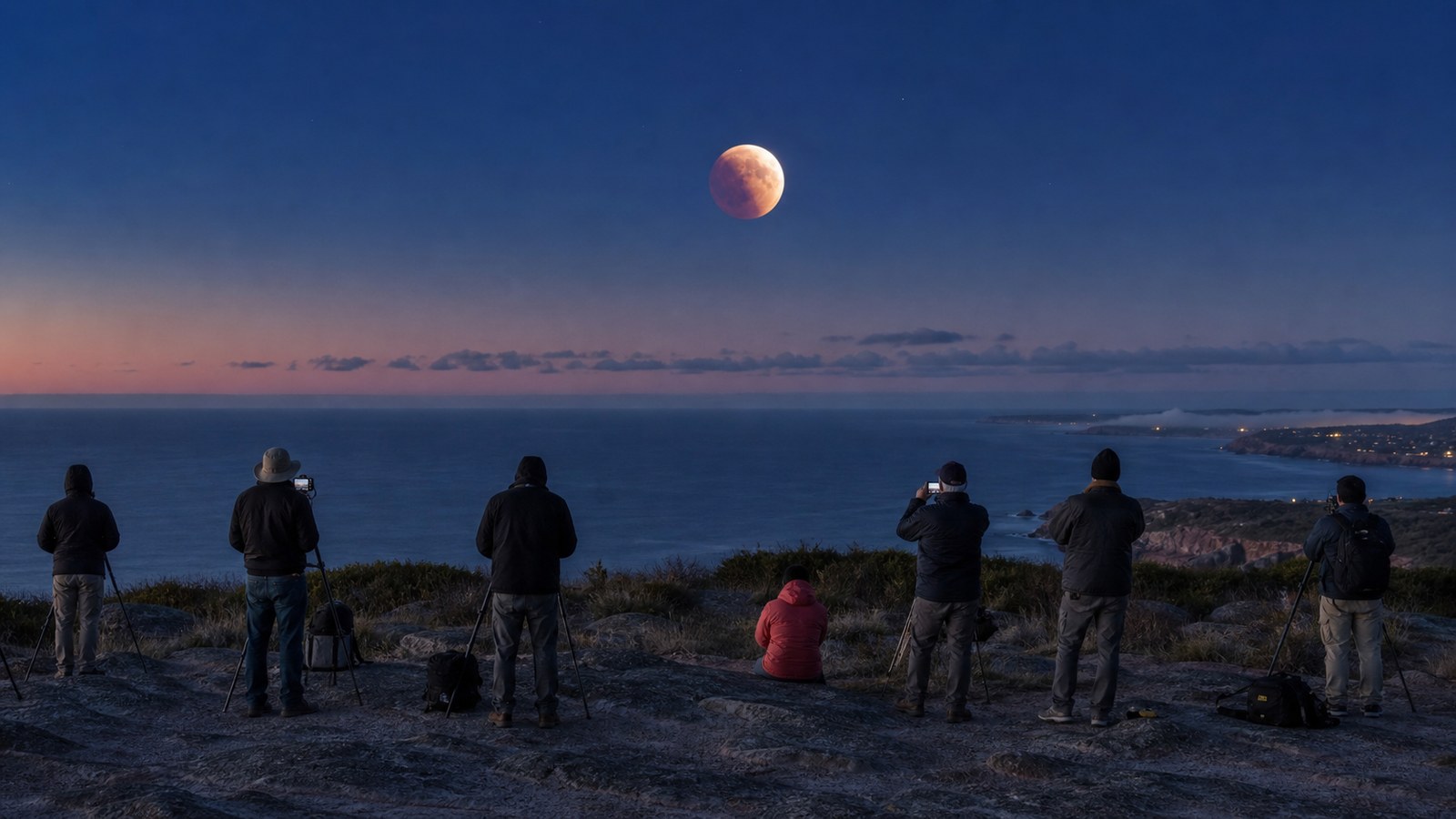
The total lunar eclipse of March 3, 2026 has already passed. The remaining lunar eclipse of 2026 is the partial event of August 27–28, with the date depending on time zone. It is visible across large portions of the Americas, Europe, Africa, western Asia, and the eastern Pacific, but each location sees a different combination of darkness, Moon altitude, and contact stages.
Solar Eclipse 2026: Where, When, and How to Watch Safely

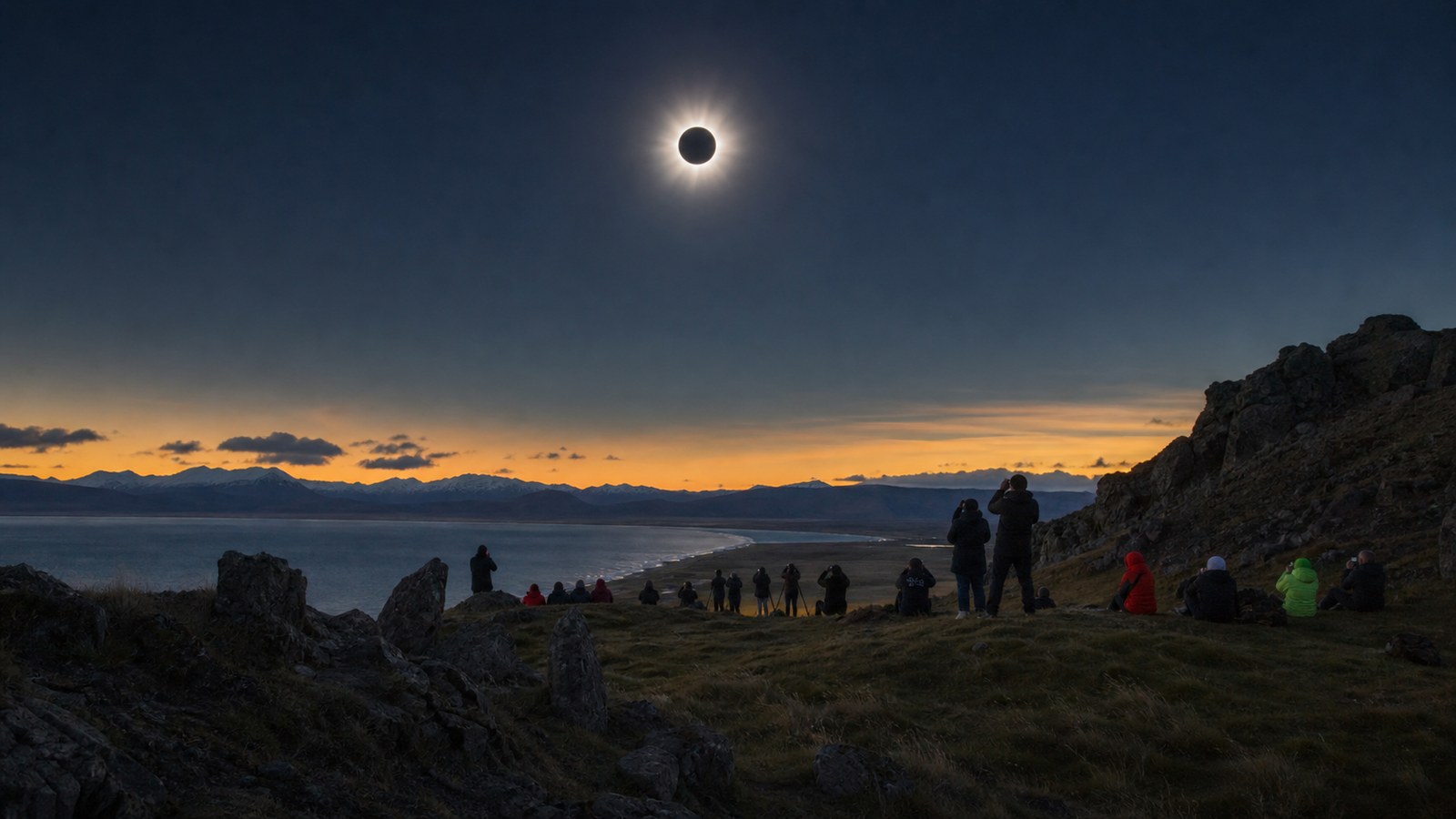
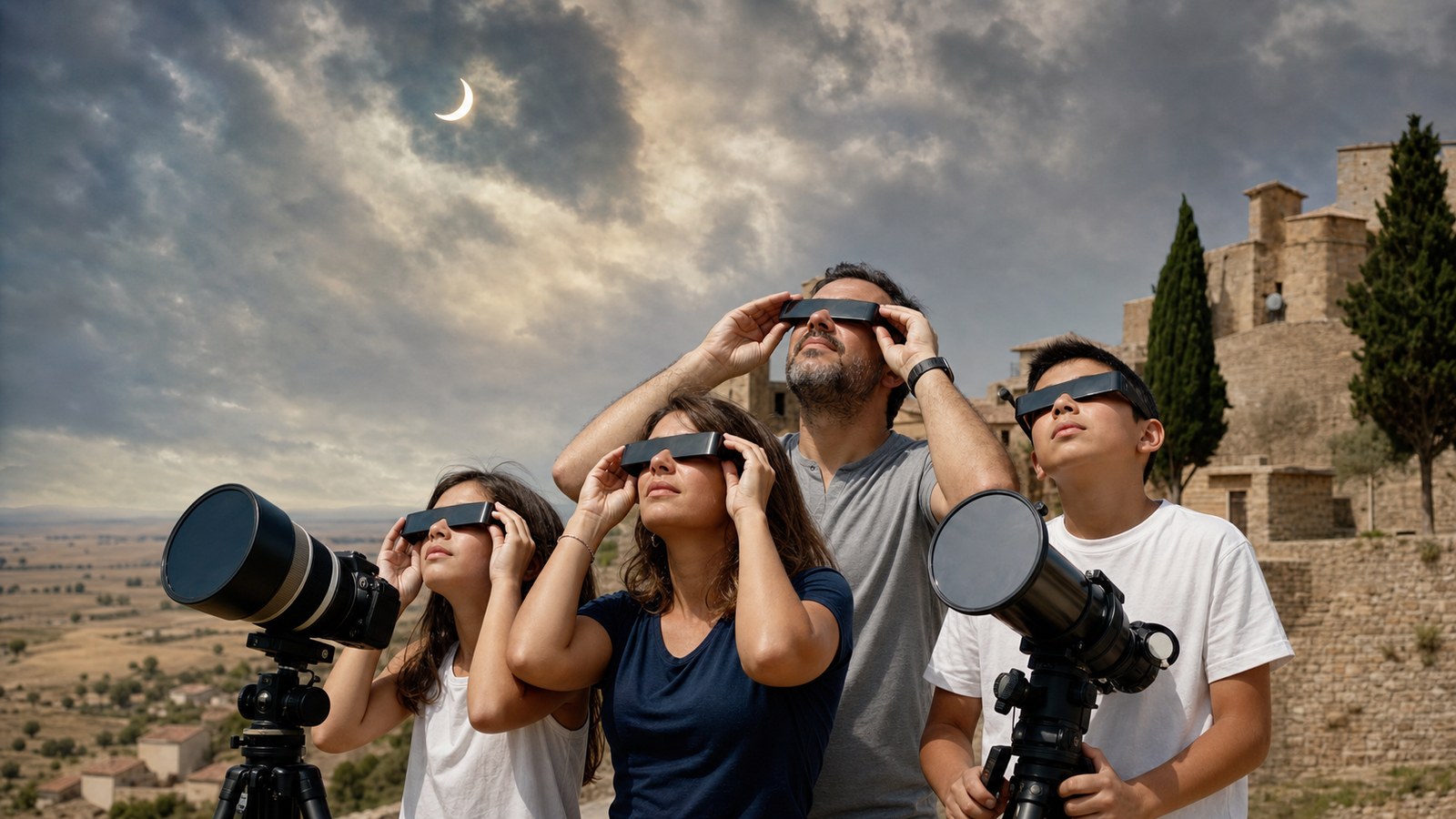
On August 12, 2026, the Moon’s shadow produces a total solar eclipse across parts of Greenland, Iceland, Spain, Russia, and a small area of Portugal. A much larger region receives a partial eclipse. The event’s rarity does not change the basic rule: specialized solar protection remains necessary whenever any portion of the bright solar surface is visible.

When Is the Next Lunar Eclipse? Complete Guide to Upcoming Events

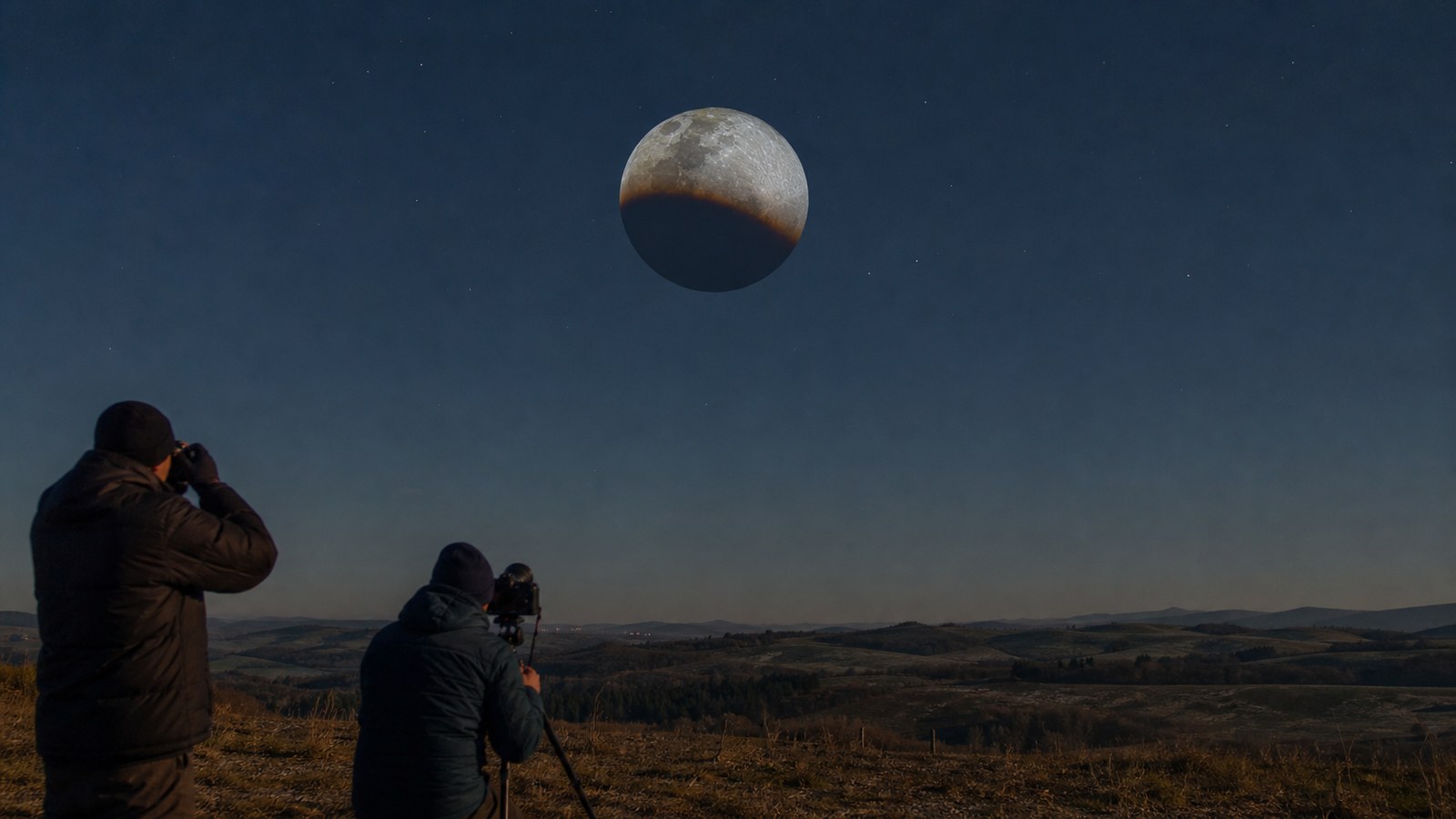
The next lunar eclipse after June 2026 occurs on August 27–28, 2026, depending on local time and date. NASA classifies it as a partial lunar eclipse visible from the Americas, Europe, Africa, western Asia, and the eastern Pacific. Unlike a solar eclipse, a lunar eclipse can be watched directly without protective filters from anywhere the Moon is above the horizon during the event.

When Is the Next Solar Eclipse? Full Viewing Guide by Date and Location

The next solar eclipse is a total solar eclipse on August 12, 2026. Totality crosses Greenland, Iceland, Spain, Russia, and a small area of Portugal, while a partial eclipse is visible across a much broader region including parts of Europe, Africa, and North America. The experience depends completely on whether the observer is inside the Moon’s narrow umbral path or only within the surrounding penumbra.