Match Backyard Visibility to Your Region and Launch Path
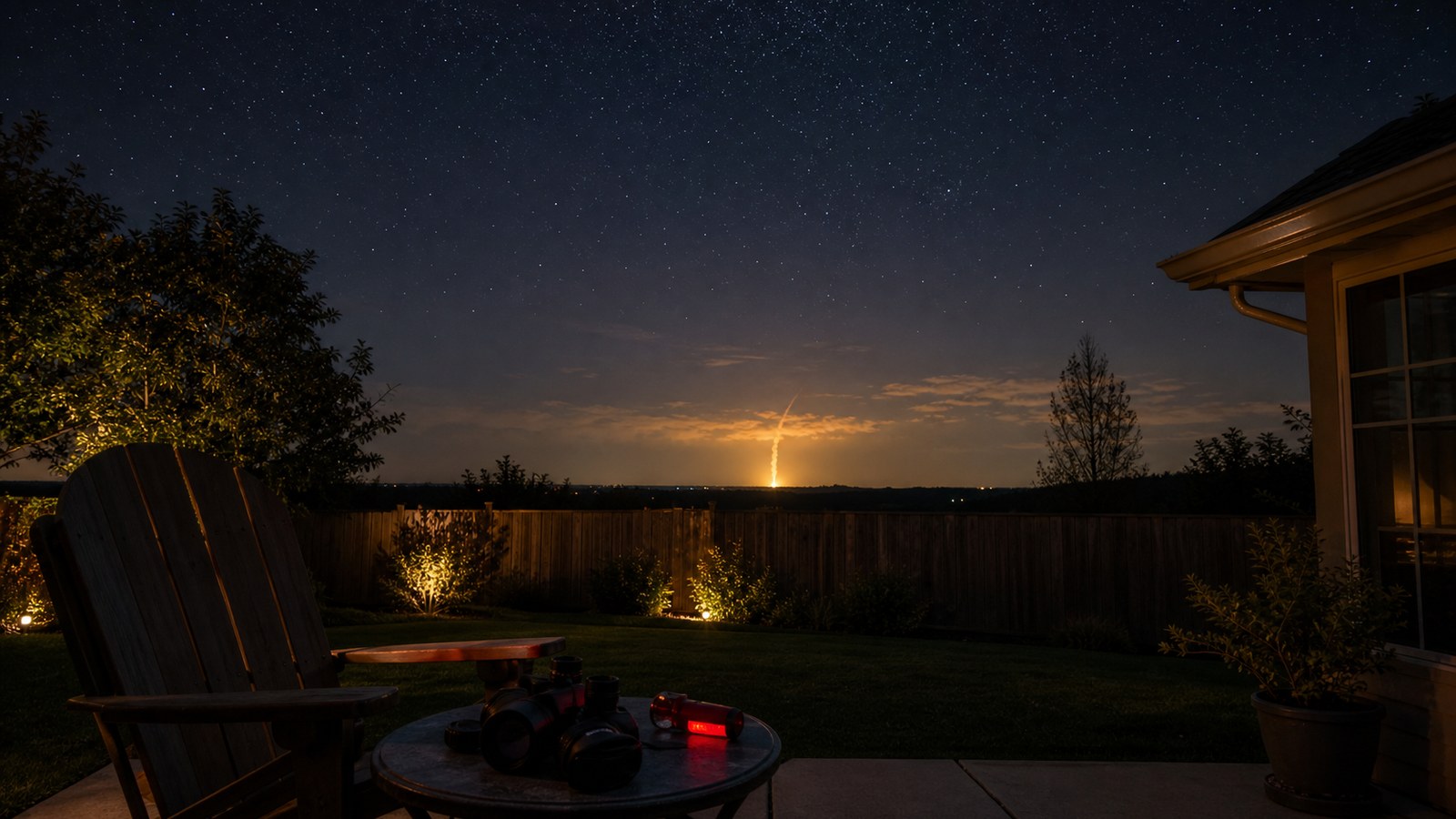
Can You See Artemis From Your Backyard? Viewing Tips by Region is most useful when it connects a big astronomy story to what a real reader can do under the sky. The headline may involve a famous telescope, a peak meteor night, or a deep-space discovery, but the practical question is smaller and better: where should I look, when should I try, and what should I expect to see with ordinary eyes or backyard gear? This guide keeps that distinction clear so the science stays exciting without promising an impossible view. NASA's Artemis campaign is no longer just a single launch to circle on a calendar; it is a sequence of tests, crewed flights, lunar-orbit operations, landing-system demonstrations, and surface goals that can shift as hardware and safety reviews mature. That makes careful wording important for readers planning launch viewing or trying to understand what each mission proves.
Start With the Real Viewing Goal
Can You See Artemis From Your Backyard? Viewing Tips by Region is most useful when it connects a big astronomy story to what a real reader can do under the sky. The practical goal is to decide what a person on Earth can do with that information tonight, this month, or during the next clear season. A strong explainer keeps the telescope science exciting while staying honest about the limits of backyard viewing. Most Webb targets are not objects you will see in the same way Webb sees them, yet many sit in constellations, nebula regions, or galaxies that can still guide a rewarding night outside.
For a regional Artemis backyard visibility guide, the best reader experience is a bridge between the professional observatory and the familiar sky. Webb works in infrared from deep space, using instruments and exposure strategies far beyond a home telescope. A reader with binoculars or a small scope can still learn where an object belongs, why scientists care about it, and what part of the sky carries the story.
Separate Webb Images From Eyepiece Views
The first distinction is visual honesty. Webb images are processed scientific observations, often combining infrared wavelengths that human eyes cannot directly see. Color choices can reveal chemistry, dust, temperature, or structure rather than a literal naked-eye color. That does not make the images fake. It means they are translations from instrument data into a form people can study, compare, and remember.
An eyepiece view is different. It gathers visible light through the atmosphere, usually with far less aperture and far less exposure time. A galaxy that looks rich and detailed in a Webb release may appear as a faint smudge from a dark site. A nebula that glows with sculpted dust in infrared may be invisible from a light-polluted backyard. Knowing that difference prevents disappointment and makes the real view more impressive, not less.
The useful question is not whether a backyard view can match Webb. It cannot. The better question is whether Webb can tell you where to look, what story the object carries, and why a faint patch of sky deserves attention. That is where a public discovery becomes a personal observing target.
Use Constellations as the Map
Most readers do not need spacecraft coordinates to begin. They need a seasonal constellation, a bright anchor star, and a realistic sense of altitude above the horizon. Once the object’s sky neighborhood is clear, a planetarium app, printed atlas, or go-to telescope can narrow the search. This keeps the guide useful for beginners without pretending every Webb subject is easy to observe.
Match the Target to the Tool
A naked-eye observer can enjoy the constellation context, meteor activity, planets, and the Milky Way backdrop around a Webb target. Binoculars can widen the experience by showing star fields, clusters, and brighter nebula regions. Small telescopes can reveal lunar craters, planets, double stars, and some deep-sky objects, while cameras can collect faint light over time. Each tool changes the kind of success available.
That range matters because Webb often studies objects that are too faint, too distant, or too infrared for ordinary viewing. A guide should say so plainly, then offer a satisfying alternative: find the host constellation, observe a brighter nearby object, compare Webb’s image with a visible-light view, or use the target as a reason to learn a new patch of sky.
Read the Science Without Getting Lost
Webb stories often include instruments, filters, spectra, redshifts, molecules, dust lanes, or exoplanet atmospheres. Readers do not need to master all of that at once. Start with the plain claim: what changed because Webb observed this target? Then add one layer: which feature in the image or data supports that claim? Finally, connect it to the night sky so the science has a place in memory.
Spectroscopy deserves special patience. Many Webb discoveries come less from pretty pictures than from splitting light into patterns that reveal chemistry, motion, or temperature. That work may not produce a dramatic view through a backyard telescope, but it is often where the telescope’s deepest value appears. A faint star with an exoplanet can become more meaningful once you know Webb is reading the fingerprints of materials around it.
The most rewarding approach is slow comparison. Look at the Webb release, then look up a visible-light image, then find the object’s location in the sky. Each layer changes the object from an isolated online picture into a real destination in the universe.
Plan a Night Around the Story
A Webb-inspired observing night works best when it has one main theme. That theme might be star birth, galaxy structure, planetary systems, or the difference between infrared and visible light. Choose one target family, find when that region is high, and build the session around nearby objects that are actually observable. The result feels connected rather than random.
Keep Expectations Generous and Accurate
Accuracy is what lets wonder survive contact with reality. Webb’s discoveries are extraordinary, but the backyard sky has its own quieter strengths: scale, patience, darkness, and the knowledge that the faint object in view belongs to the same universe as the image on the screen. When the guide makes that relationship clear, readers do not feel tricked by the difference between data and eyepiece. They feel invited into both.
That invitation is the heart of this topic. Webb expands what scientists can measure, while ordinary skywatching expands what a person can notice. Put those together and a night under the stars becomes more informed, more specific, and more alive.
Why the Sequence Matters
A useful explainer should show why order changes meaning. A test flight prepares a crewed mission, a route proves a trade connection, and a survey makes later travel safer. Readers understand the topic better when each step is tied to what became possible afterward, not only to the date when it happened.
How Readers Can Use the Guide
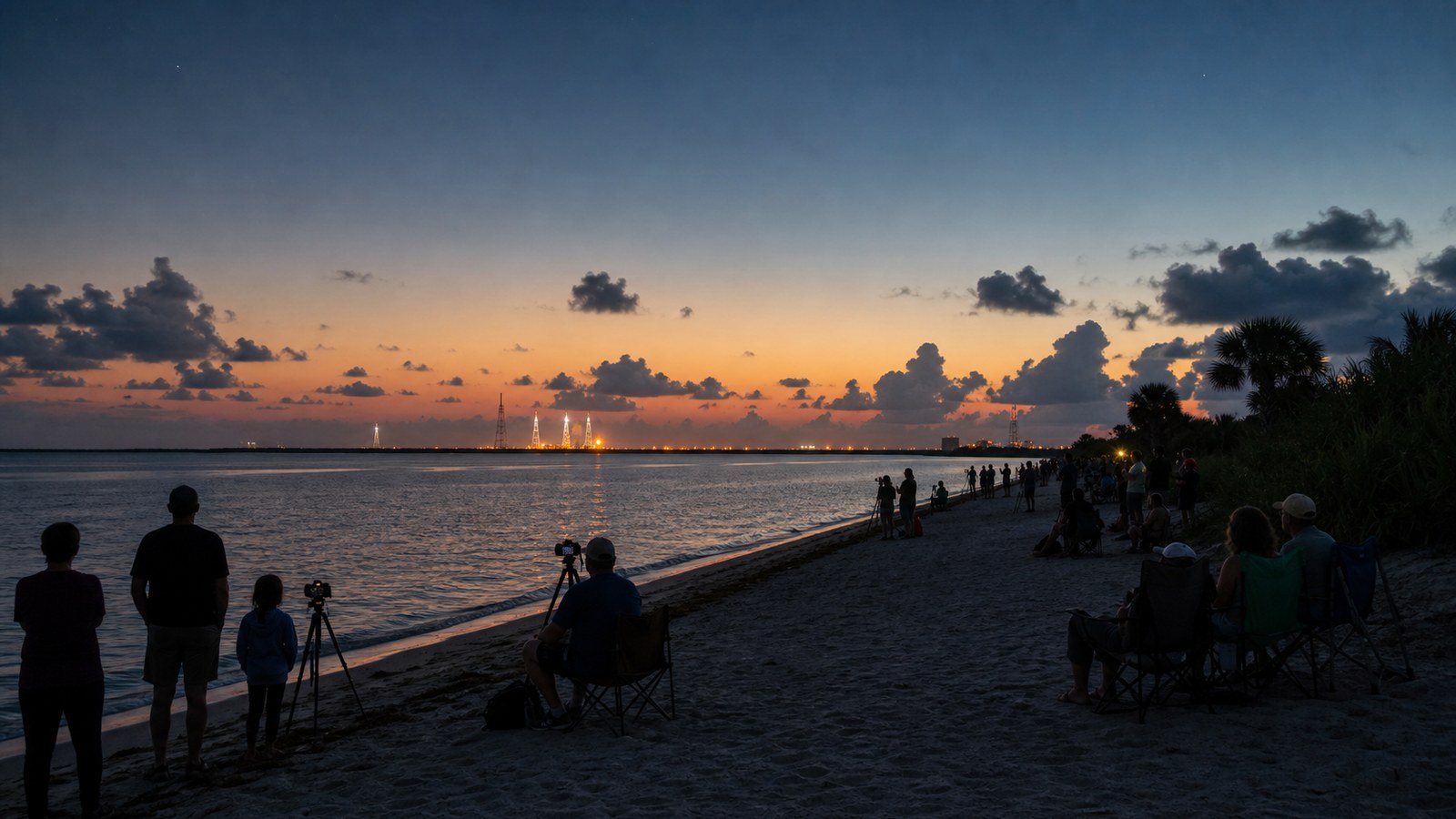
The article should help a reader make a practical choice. For Artemis, that may mean deciding whether a launch is visible, whether travel to Florida is worth the effort, or whether a backyard view is realistic. For exploration history, it may mean comparing eras by risk, technology, purpose, and lasting consequence.
This also keeps the piece from becoming a flat list. The reader gets a reason to care about the sequence, a practical way to interpret it, and a better sense of what changed after each step.
What to Watch Closely
The best details are the ones that change interpretation. Weather, mission readiness, launch windows, navigation tools, funding, geography, and political context can all shape the outcome. A short headline often hides those constraints, so the body needs enough room to explain why the simple version is incomplete.
Avoid the Easy Myth
Exploration stories can become too tidy if they focus only on heroes or firsts. Real exploration also includes preparation, failure, local knowledge, support crews, navigation errors, ethical consequences, and later reinterpretation. Keeping those layers visible makes the article more credible and more useful.
This also keeps the piece from becoming a flat list. The reader gets a reason to care about the sequence, a practical way to interpret it, and a better sense of what changed after each step.
Bring the Story Back to the Sky
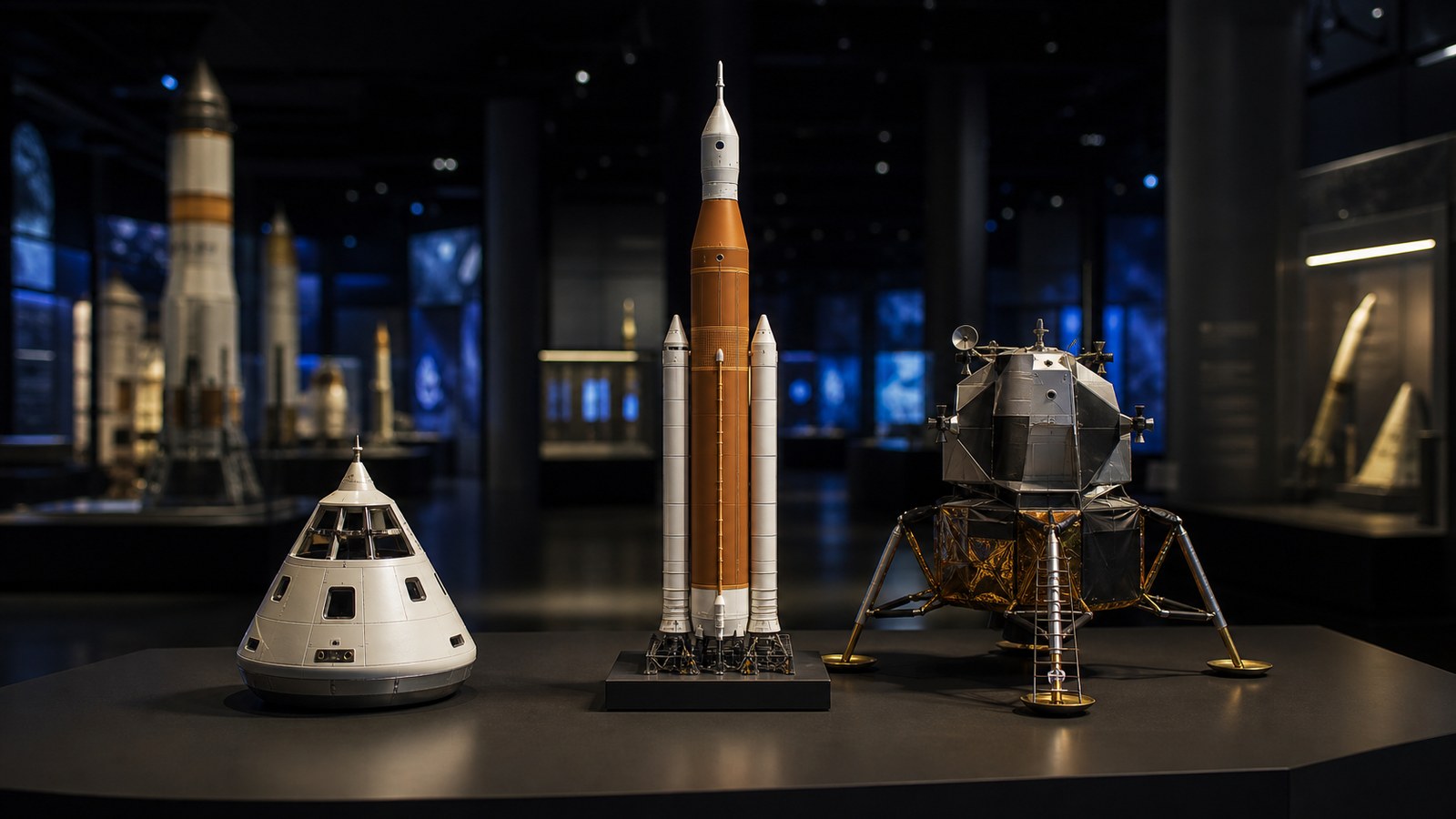
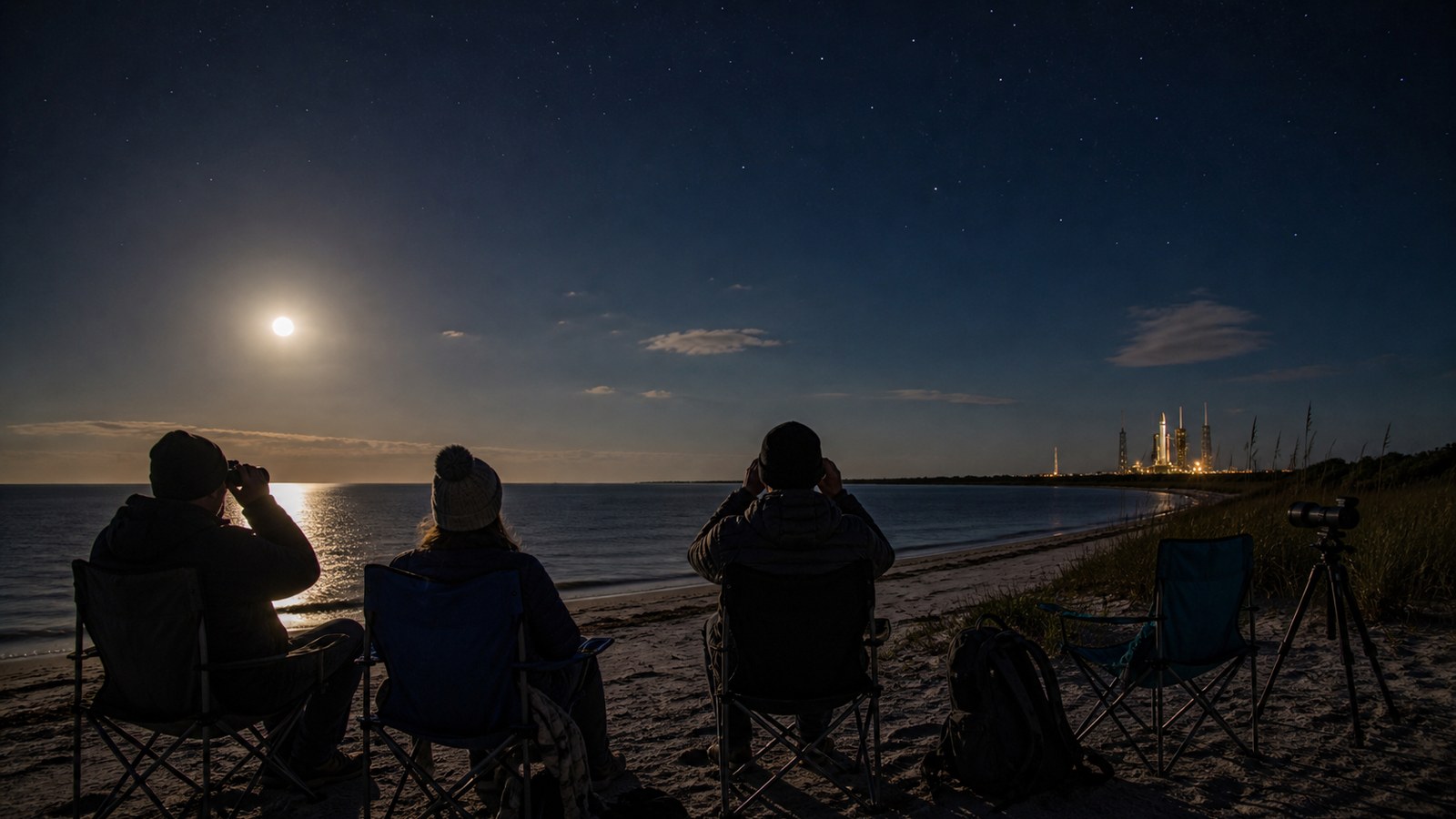
Lyra Street readers often arrive through curiosity about the sky, so the conclusion should return the story to something observable or imaginable. A launch glow, a bright Moon, a constellation, a route across an ocean, or a spacecraft model can all turn a large historical subject into a concrete scene.
Use Dates With Care
Dates are anchors, but they are not the whole explanation. Scheduled missions can move, ancient chronologies can be approximate, and milestones can mean different things depending on the culture or field being discussed. The article should give dates where they help while explaining the uncertainty or context behind them.
This also keeps the piece from becoming a flat list. The reader gets a reason to care about the sequence, a practical way to interpret it, and a better sense of what changed after each step.
Keep the Reader Oriented
A long timeline becomes easier when each section answers one plain question. What changed here? Who could act differently afterward? What tool, route, mission, or observation made the change possible? That rhythm lets the reader move through a big topic without losing the thread.
Check What Has Changed Recently
For current spaceflight topics, the reader should assume schedules can change after reviews, tests, weather constraints, or vehicle work. For historical topics, the record can change when new evidence, archaeology, or scholarship revises an old assumption. A good explainer leaves space for that reality instead of pretending every timeline is frozen forever.
This also keeps the piece from becoming a flat list. The reader gets a reason to care about the sequence, a practical way to interpret it, and a better sense of what changed after each step.
Make the Scale Human
Large subjects become easier when the article returns to human scale. A viewer standing on a beach, a navigator reading the sky, a crew preparing for launch, or a traveler crossing a difficult landscape gives the reader a concrete scene. Those scenes keep big chronology from becoming abstract.
Connect Consequences to Choices
Every mission or expedition includes choices about risk, resources, route, timing, and purpose. The article should show how those choices shaped the outcome. That is what separates useful explanation from a parade of facts: the reader can see why a decision mattered and what changed because of it.
This also keeps the piece from becoming a flat list. The reader gets a reason to care about the sequence, a practical way to interpret it, and a better sense of what changed after each step.
End With a Practical Takeaway
The final section should give the reader a way to use the story after closing the page. They might watch a launch window, compare Artemis missions, visit a museum, read a map differently, or understand why one milestone changed later exploration. The takeaway should feel specific enough to remember.